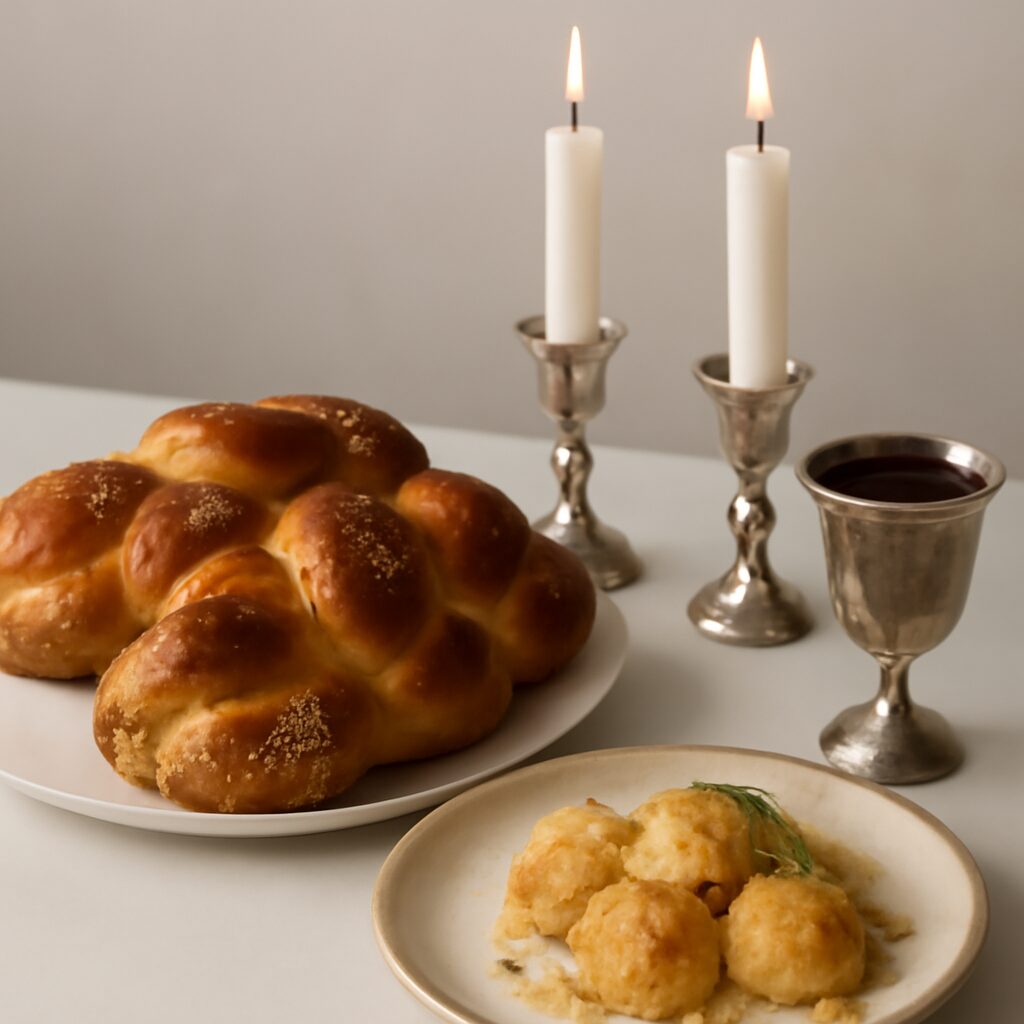
Pesach, or Passover, is a time for family, reflection, and, of course, some truly delicious food. While the dietary restrictions might seem daunting at first glance, there’s a surprising bounty of ingredients and dishes that are not only compliant but also incredibly flavorful. Forget the notion that Pesach food is bland or limited; with a little creativity and a good understanding of the rules, you can create a holiday feast that everyone will anticipate. This guide will walk you through some classic and contemporary options, ensuring your Seder table is as vibrant as your traditions.
Before we dive into the broader meal, let’s briefly touch upon the Seder plate’s cornerstone elements. These aren’t just decorations; each item holds deep historical and symbolic meaning.
Maror: The Bitter Herbs
Typically horseradish or romaine lettuce, maror reminds us of the bitterness of slavery. Grated horseradish, especially freshly grated, provides a pungent kick that’s hard to forget. Romaine offers a milder, yet still noticeable, bitterness.
Charoset: A Sweet Symbol of Resilience
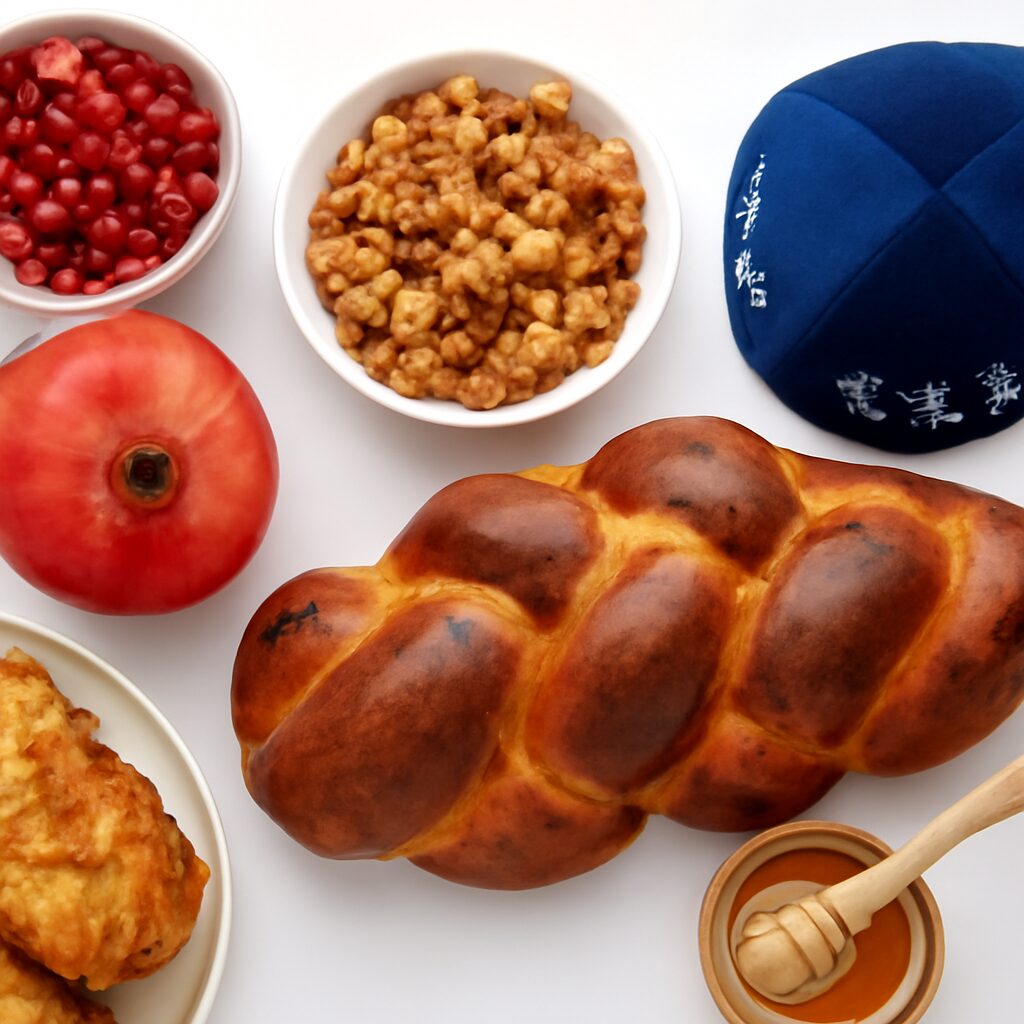
This delightful mixture of grated apples, nuts, sweet wine, and spices symbolizes the mortar used by the enslaved Israelites to build in Egypt. There are countless variations: Ashkenazi charoset often uses walnuts, apples, and sweet red wine, while Sephardic versions might include dates, figs, and spices like cinnamon. You can even try a blend of both for a unique flavor.
Zeroa: The Shank Bone
A roasted lamb shank bone (or a chicken wing for those who prefer not to use lamb) represents the Paschal lamb sacrifice. It’s a visual reminder of the ancient traditions and isn’t typically eaten.
Beitzah: The Roasted Egg
A hard-boiled and typically roasted egg symbolizes sacrifice and new life. Its roundness also alludes to the cycle of life and renewal. Again, it’s primarily symbolic and consumed within the context of the Seder.
Karpas: Green for Spring
A fresh green vegetable, often parsley or celery, dipped in saltwater. Karpas represents the freshness of spring and new beginnings, while the saltwater symbolizes the tears shed during slavery.
For those looking to enhance their Pesach dishes, incorporating tahini can add a delightful twist to traditional recipes. This versatile ingredient can be used in various ways, from dressings to dips, making it a perfect addition to your Passover table. To explore some delicious tahini recipes that can complement your Pesach meals, check out this article on tahini at Jewish Food.
Beyond the Seder Plate: Appetizers and Starters
Once the Seder plate rituals are complete, it’s time to move on to the more substantial dishes. Appetizers should be light, flavorful, and set the stage for the feast to come.
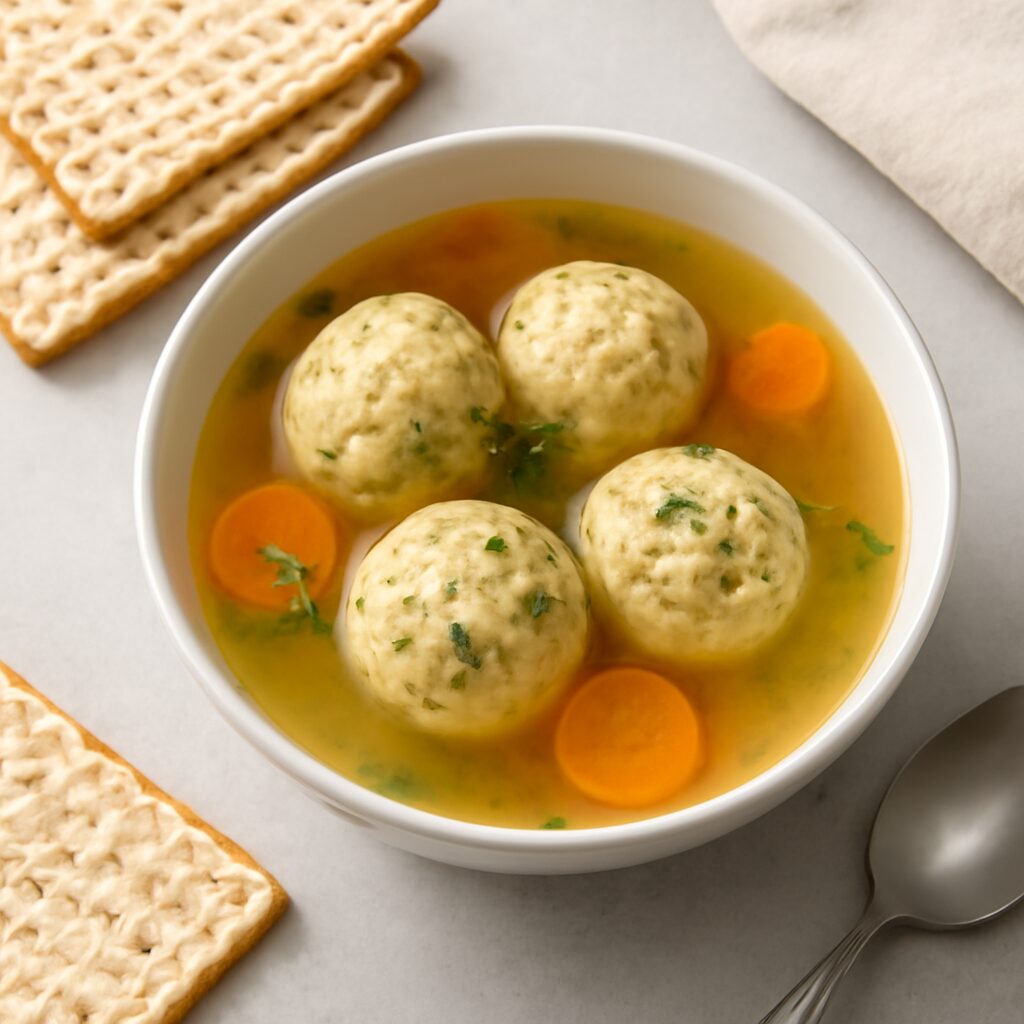
Matzo Ball Soup: A Pesach Staple
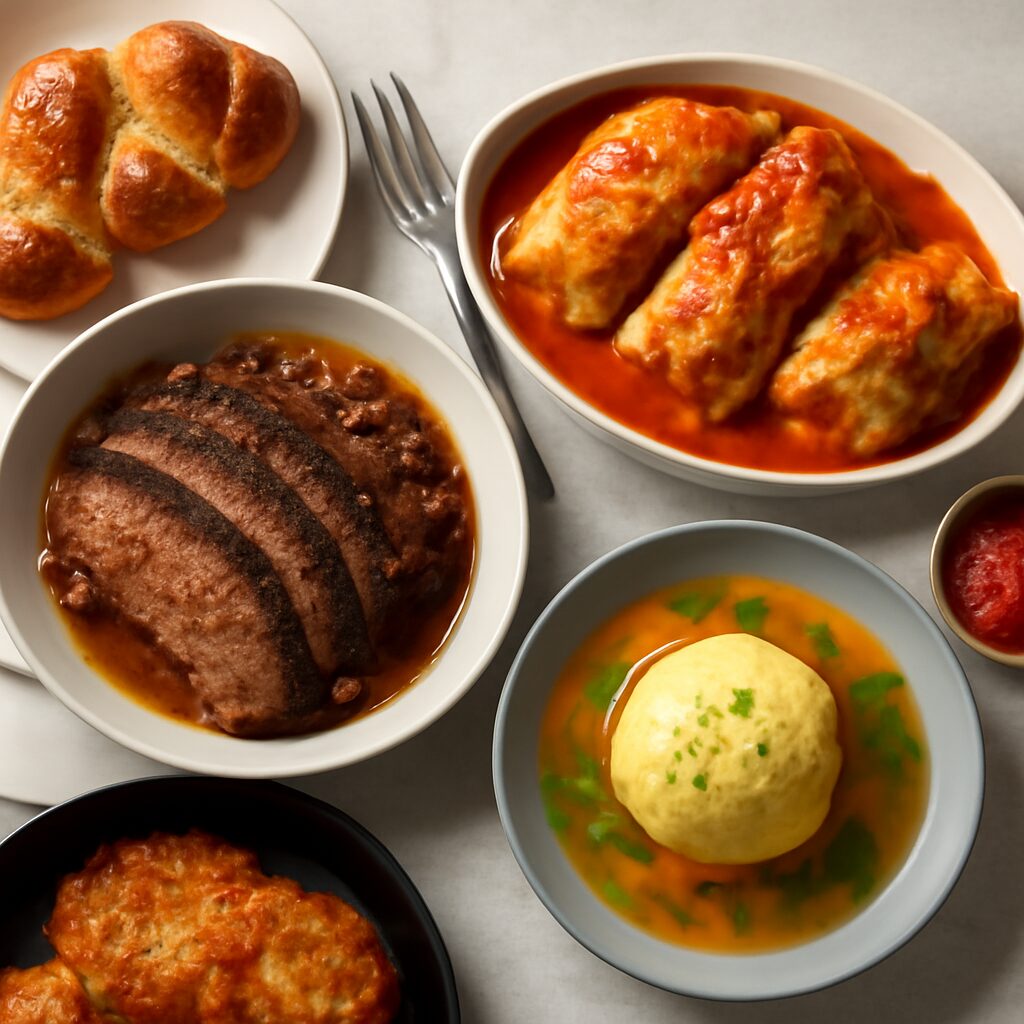
Can you even have a Pesach meal without matzo ball soup? This classic comfort food is a must-have. The key to excellent matzo balls is a good quality matzo meal, fresh eggs, and a light touch. Some people prefer them fluffy and light (sinkers), while others enjoy a denser texture (floaters).
- Tips for Fluffy Matzo Balls: Use seltzer or club soda in your mixture. Don’t overmix the batter. Let the batter rest in the fridge for at least 30 minutes before forming the balls.
- A Flavorful Broth: The matzo balls are only as good as the broth they swim in. A rich, homemade chicken broth with carrots, celery, and fresh dill will elevate your soup to another level.
Gefilte Fish: A Divisive But Traditional Dish
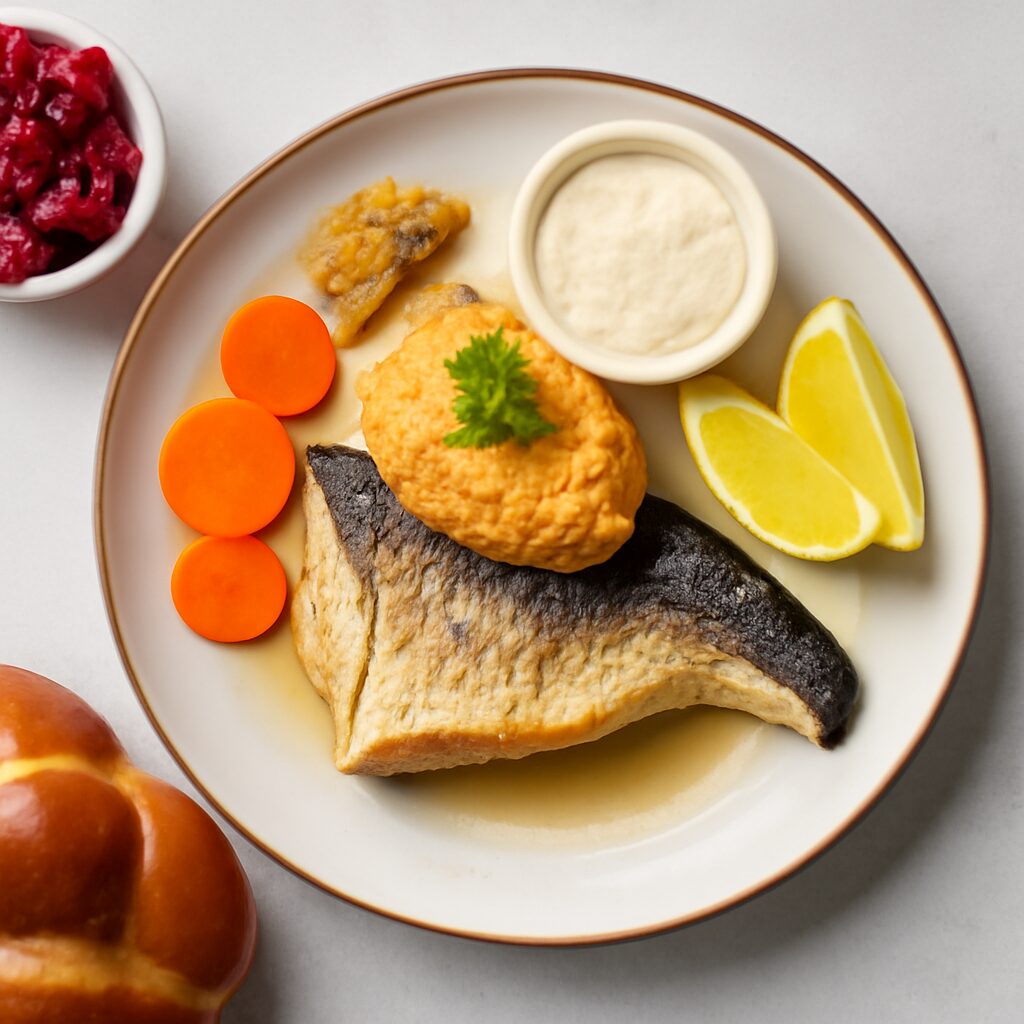
Gefilte fish is another iconic Pesach food, and it tends to be a love-it-or-hate-it affair. Traditionally made with ground fish (often carp, pike, and whitefish), onions, and seasonings, then poached in fish broth.
- Homemade vs. Store-Bought: While many opt for jarred gefilte fish for convenience, homemade versions are often far superior. You have control over the fish blend and seasonings, resulting in a fresher, more delicate flavor.
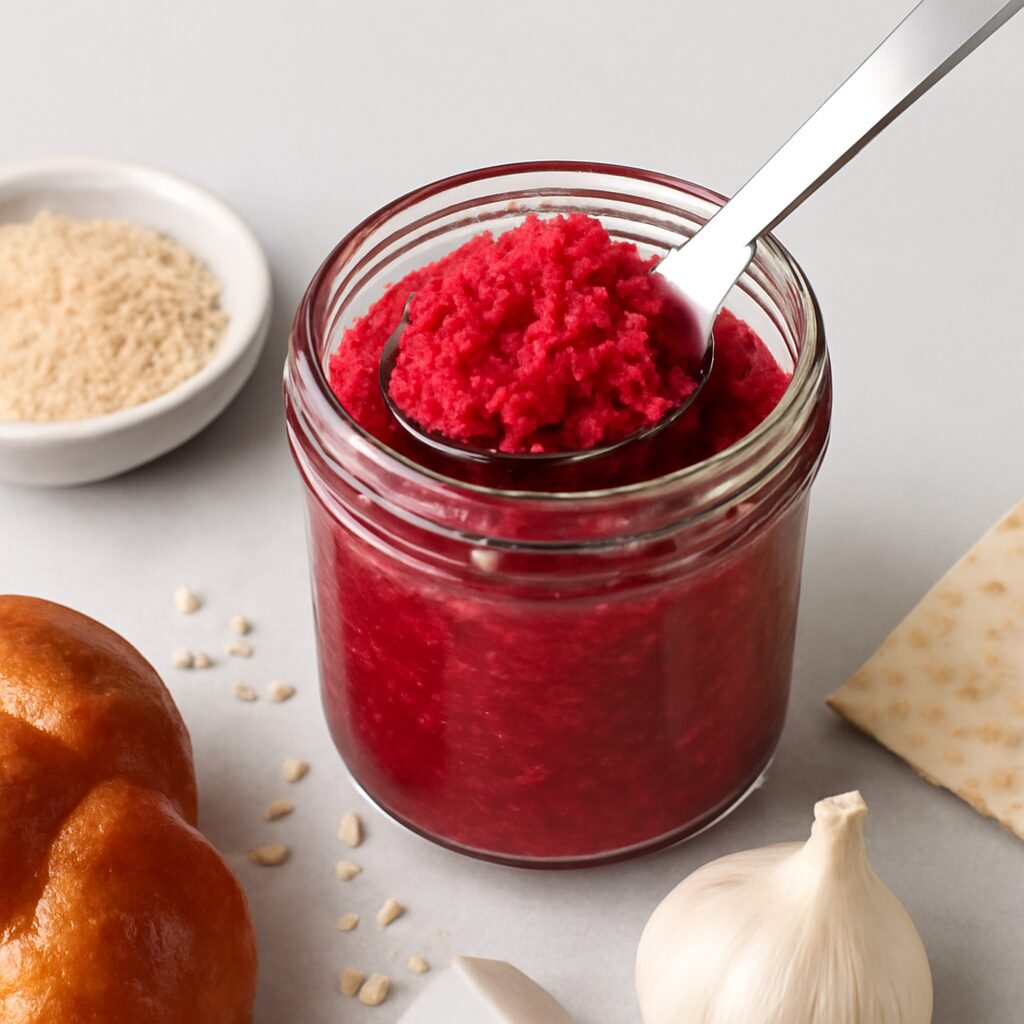
- Serving Suggestions: Serve chilled, often with a slice of cooked carrot and a dollop of beet horseradish (chrain).
Savory Matzo Brei Bites
Matzo brei, traditionally a breakfast dish, can be reimagined as a savory appetizer. Think mini matzo brei pancakes infused with herbs and onions.
- Herb and Onion Matzo Brei: Simply soak matzo, squeeze out excess water, and mix with beaten eggs, sautéed onions, chopped fresh chives, parsley, and a pinch of salt and pepper. Fry spoonfuls in oil until golden brown.
- Cheese and Herb Variation: For those who eat dairy at Pesach, adding a bit of shredded cheddar or mozzarella to your savory matzo brei can be a delicious twist.
The Main Event: Hearty and Satisfying Entrees

The main course is where you can truly showcase your culinary skills. Think beyond the usual and explore different proteins and cooking methods.
Brisket: A Slow-Cooked Classic
Brisket is synonymous with holiday meals, and for good reason. When cooked low and slow, it becomes incredibly tender and flavorful.
- Flavor Profiles: A classic brisket often involves onions, carrots, celery, garlic, and a tomato-based sauce or beef broth. For a slightly different twist, consider a red wine and mushroom braise.
- Cooking Techniques: Braising in the oven or slow cooker are popular methods. The key is to allow ample cooking time for the connective tissues to break down.
- Make-Ahead Advantage: Brisket often tastes even better the next day, making it an ideal make-ahead dish for the Seder. Slice it against the grain before reheating gently in its sauce.
Roasted Chicken or Turkey: Versatile and Delicious
For those who prefer poultry, roasted chicken or turkey offers a lighter yet still celebratory option.
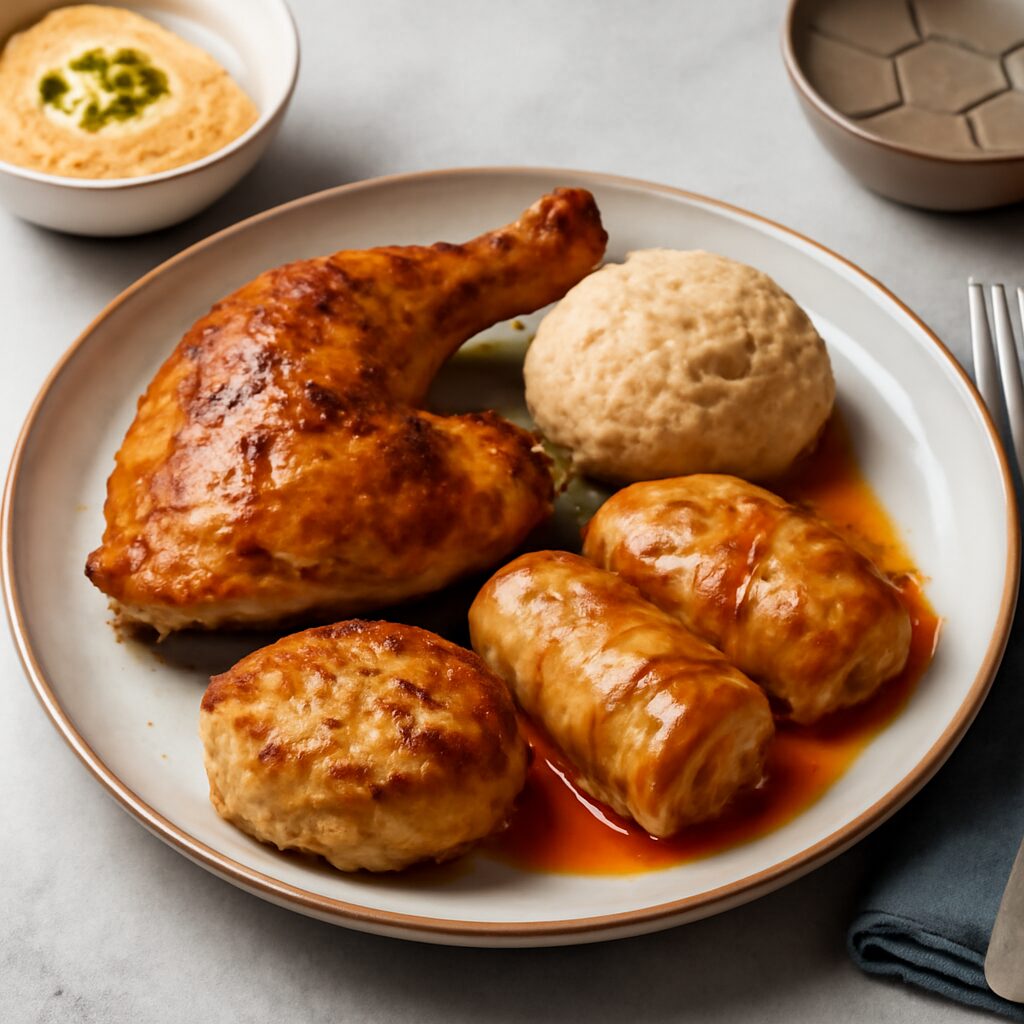
- Herb-Roasted Chicken: A simple yet elegant choice. Rub a whole chicken with olive oil, fresh herbs like rosemary and thyme, garlic, salt, and pepper. Roast until golden brown and cooked through.
- Lemon-Garlic Roast Chicken: A bright and zesty alternative. Marinate chicken pieces in lemon juice, minced garlic, olive oil, and oregano before roasting.
- Turkey Breast with Cranberry Glaze: A wonderful option for a smaller gathering. A boneless turkey breast can be roasted and then glazed with a homemade cranberry sauce infused with orange zest and a touch of maple syrup.
Salmon with Roasted Vegetables: A Lighter Option
For those seeking a lighter main course or a pescatarian option, baked or roasted salmon is a fantastic choice.
- Lemon-Dill Salmon: Simple and flavorful. Place salmon fillets on a baking sheet, drizzle with olive oil, lemon juice, and plenty of fresh dill. Bake until flaky.
- Maple-Glazed Salmon: A sweet and savory delight. Brush salmon fillets with a mixture of maple syrup, Dijon mustard, and a splash of apple cider vinegar before baking.
- Accompaniment of Roasted Asparagus and Sweet Potatoes: These vegetables roast beautifully alongside salmon and complete the meal. Toss with olive oil, salt, and pepper before roasting.
Scrumptious Sides: Elevating the Meal

Sides are essential for a balanced and flavorful Pesach meal. Don’t let them be an afterthought!
Potato Kugel: A Comforting Classic
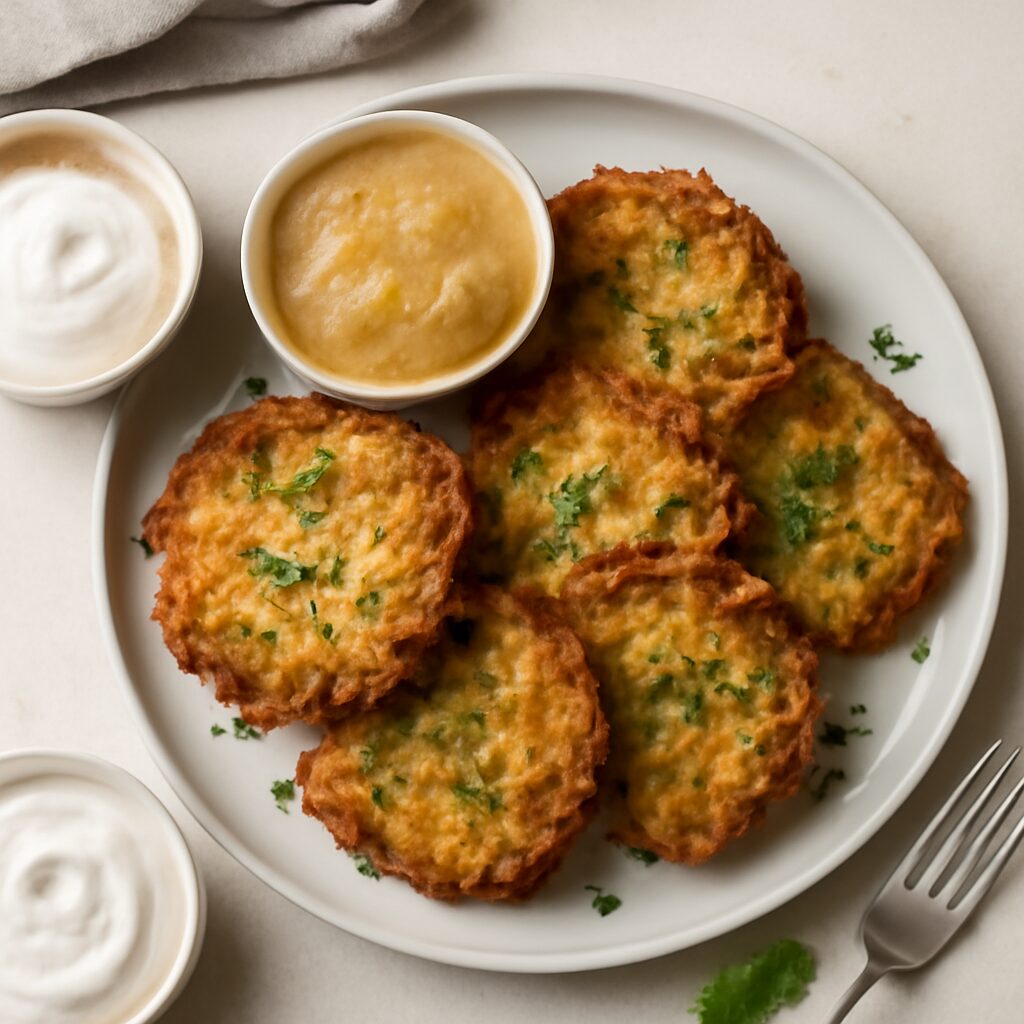
Potato kugel is a staple for many Pesach tables. It’s savory, comforting, and incredibly versatile.
- Shredded Potato Kugel: Made with grated potatoes, onions, eggs, and matzo meal (or potato starch for a gluten-free version). Baked until golden brown and crispy on the outside, tender on the inside.
- Sweet Potato Kugel: A slightly sweeter variation, often incorporating mashed sweet potatoes, brown sugar, orange juice, and a hint of cinnamon. It’s almost like a dessert, but still works as a side.
- Vegetable Medley Kugel: Incorporate other grated vegetables like zucchini or carrots into your potato kugel for added flavor and nutrients.
Roasted Root Vegetables: Naturally Sweet and Earthy
Roasting brings out the natural sweetness of root vegetables, making them a perfect Pesach side dish.
- Classic Roasted Carrots and Parsnips: Toss sliced carrots and parsnips with olive oil, salt, pepper, and a touch of maple syrup or honey (if permitted and desired) before roasting until tender and caramelized.
- Rosemary Roasted Potatoes: Cubed potatoes tossed with olive oil, fresh rosemary, garlic powder, salt, and pepper. Roast until crispy and golden.
- Roasted Beets with Balsamic Glaze: Cut beets into wedges, toss with olive oil, salt, and pepper. Roast until tender, then drizzle with a balsamic glaze reduction for a tangy sweetness.
Pesach Stuffing (Matzo Farfel Stuffing): A Hearty Side
For those who miss traditional bread stuffing, matzo farfel makes an excellent substitute.
- Savory Matzo Farfel Stuffing: Sauté onions and celery until softened. Add cooked matzo farfel (which is essentially crumbled matzo), chicken broth, eggs, and seasonings like sage, thyme, and parsley. Bake until set and golden.
- Mushroom and Herb Variation: Sauté a variety of mushrooms with your onions and celery for an earthy depth of flavor.
- Chestnut and Apple Farfel: For a touch of sweetness and texture, add chopped roasted chestnuts and diced apples to your stuffing mixture.
As you prepare for Pesach, exploring traditional dishes can enhance your celebration. One delightful option to consider is a poppy seed cake, which adds a unique flavor to your festive table. For a delicious recipe, you can check out this poppy seed cake that beautifully complements the holiday’s spirit. This cake not only satisfies your sweet tooth but also connects you to the rich culinary traditions of Passover.
Sweet Endings: Delicious Pesach Desserts
| Dish | Ingredients | Preparation |
|---|---|---|
| Matzo Ball Soup | Matzo meal, eggs, chicken broth, carrots, celery | Form matzo balls, boil in broth with vegetables |
| Brisket | Beef brisket, onions, garlic, red wine, tomato paste | Season and sear brisket, braise in wine and tomato sauce |
| Charoset | Apples, walnuts, honey, cinnamon | Chop apples and walnuts, mix with honey and cinnamon |
| Matzo Brei | Matzo, eggs, salt, pepper | Soak matzo in water, mix with eggs, fry in a pan |
Ending the meal with something sweet is always a treat. There are many delicious and creative Pesach-friendly desserts.
Macaroons: Simple and Satisfying
Coconut macaroons are a beloved Pesach dessert. They are naturally gluten-free and relatively simple to make.
- Classic Coconut Macaroons: Made with shredded coconut, egg whites, sugar, and vanilla extract. Baked until golden brown and slightly chewy.
- Chocolate Dipped Macaroons: Elevate your macaroons by dipping the bottoms in melted dark chocolate once they’ve cooled.
- Almond Macaroons: For a variation, replace some of the coconut with finely ground almonds for a richer, nuttier flavor.
Pesach Apple Cake: A Fruitful Delight
An apple cake is a comforting and universally loved dessert, and it can be easily made Pesach-friendly.
- Classic Apple Cake with Cinnamon: A moist cake made with matzo cake meal or potato starch, eggs, sugar, oil, and plenty of diced apples tossed with cinnamon.
- Apple and Walnut Cake: Add chopped walnuts to your apple cake for extra texture and nutty flavor.
- Streusel Topped Apple Cake: A crumbly streusel topping made with matzo meal, sugar, and cinnamon can add a lovely texture and flavor to your apple cake.
Chocolate Soufflé or Mousse: Elegant and Decadent
For a more elegant and sophisticated dessert, a chocolate soufflé or mousse can be surprisingly easy to make and are inherently kosher for Passover.
- Flourless Chocolate Soufflé: Made with melted chocolate, egg yolks, and whipped egg whites. The key is to fold gently to maintain air and achieve that signature airy texture. Serve immediately with a dusting of powdered sugar.
- Rich Chocolate Mousse: A simpler option, often made with melted chocolate, egg yolks, and whipped cream (or a pareve substitute like whipped coconut cream for a non-dairy version). Chill until set.
- Dark Chocolate Bark with Nuts and Dried Fruit: Melt high-quality dark chocolate, spread it thinly on parchment paper, and sprinkle with toasted nuts (like almonds or pistachios) and dried cranberries or cherries. Break into pieces once hardened.
Tips for a Stress-Free Pesach Kitchen
Preparing for Pesach can feel like a marathon, but with a few practical tips, you can make it a smoother process.
Plan Ahead: Your Best Friend
Creating a detailed menu and shopping list in advance will save you a lot of stress. Consider what can be made ahead of time.
- Make-Ahead Dishes: Brisket, gefilte fish, soups, and many desserts (like macaroons or chocolate bark) can be prepared days in advance.
- Ingredient Prep: Chop vegetables, grate potatoes, and measure out dry ingredients ahead of time to streamline cooking on the day of the Seder.
Don’t Over-Commit: Keep it Realistic
It’s tempting to try every new recipe you find, but remember that simpler can often be better, especially during such a busy holiday.
- Focus on Family Favorites: Include dishes that your family loves and looks forward to each year.
- Balance Variety: Aim for a good balance of flavors and textures without feeling overwhelmed by too many complex dishes.
Delegate and Ask for Help: It’s a Team Effort
You don’t have to do it all yourself. Delegate tasks to family members or friends who are attending.
- Assign Dishes: Ask guests to bring a specific side dish or dessert.
- Kitchen Helpers: Get family members involved in chopping, stirring, and setting the table. It makes the preparation more enjoyable and less burdensome.
Keep it Clean as You Go: Minimize the Mess
Cleaning as you cook isn’t just for daily meals; it’s a lifesaver during holiday preparations.
- Wash Utensils and Bowls: Wash bowls and utensils as soon as you’re done with them to prevent a towering pile of dishes at the end.
- Wipe Down Surfaces: A quick wipe down of countertops can make a big difference in maintaining a tidy kitchen.
Embrace the Experience: Enjoy the Journey
Ultimately, Pesach is about more than just the food. It’s about remembering and celebrating freedom, family, and tradition. Don’t let the stress of cooking overshadow the true meaning of the holiday. Enjoy the process, savor the flavors, and cherish the time spent with loved ones.
These dishes offer a starting point for crafting your own memorable Pesach menu. Experiment, adapt, and most importantly, enjoy the delicious journey of celebrating this significant holiday. Chag Sameach!