Hanukkah, also known as the Festival of Lights, isn’t just about lighting the menorah and spinning dreidels. It’s also a fantastic excuse to indulge in some seriously delicious food. While the holiday celebrates a miracle of oil lasting eight days, many traditional Hanukkah dishes incorporate oil as a key ingredient, symbolizing that ancient miracle. So, if you’re looking to whip up a festive feast that’s both meaningful and mouth-watering, you’ve come to the right place. We’ll dive into some classic Hanukkah eats, providing practical tips and a bit of history to make your celebration truly special.
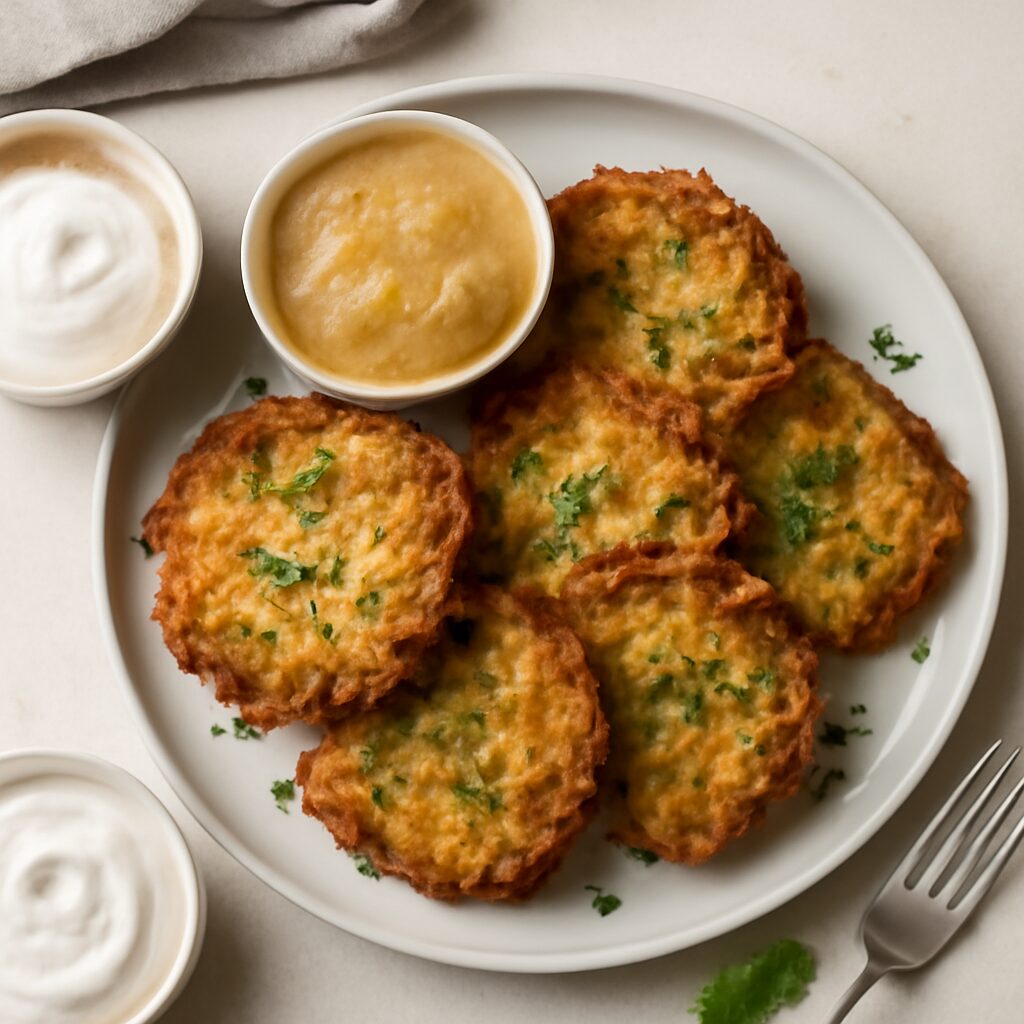
Let’s be honest, when most people think of Hanukkah food, latkes immediately spring to mind. These crispy, golden potato pancakes are a true highlight of the holiday table, and for good reason. Drizzled with applesauce or topped with sour cream, they’re a crowd-pleaser that celebrates the miracle of oil.
Grating Your Potatoes: Fine or Coarse?
This is a classic latke debate! Fine grating results in a smoother, almost mashed-potato-like interior, while coarse grating gives you more texture and chew. Many people prefer a mix, using both fine and coarse graters to get the best of both worlds. If you have a food processor with a grating attachment, it can save you a lot of time and knuckle skin. Otherwise, a good old-fashioned box grater works perfectly well. Remember to squeeze out as much liquid as possible from the grated potatoes – this is key to crispy latkes!
The Perfect Bind: Egg and Flour Ratios
Getting the right consistency for your latke batter is crucial. Too much egg and they’ll be too eggy; too much flour and they’ll be dense. A general rule of thumb is one large egg per two large potatoes, and a tablespoon or two of flour (matzo meal is a popular alternative for a more traditional touch) for binding. Don’t be afraid to adjust based on how wet your potatoes are after squeezing. A little onion and garlic powder can also add a nice flavor boost.
Frying Technique for Optimal Crispiness
This is where the magic happens. Use a good quality oil with a high smoke point, like canola or vegetable oil. Heat the oil to around 350-375°F (175-190°C) – you want it hot enough to sizzle but not smoke. Don’t overcrowd the pan; fry in batches to maintain the oil temperature and ensure even browning. Aim for a golden-brown crust on both sides. Once fried, transfer them to a wire rack lined with paper towels to drain excess oil. This prevents them from becoming soggy.
Essential Toppings: Applesauce and Sour Cream
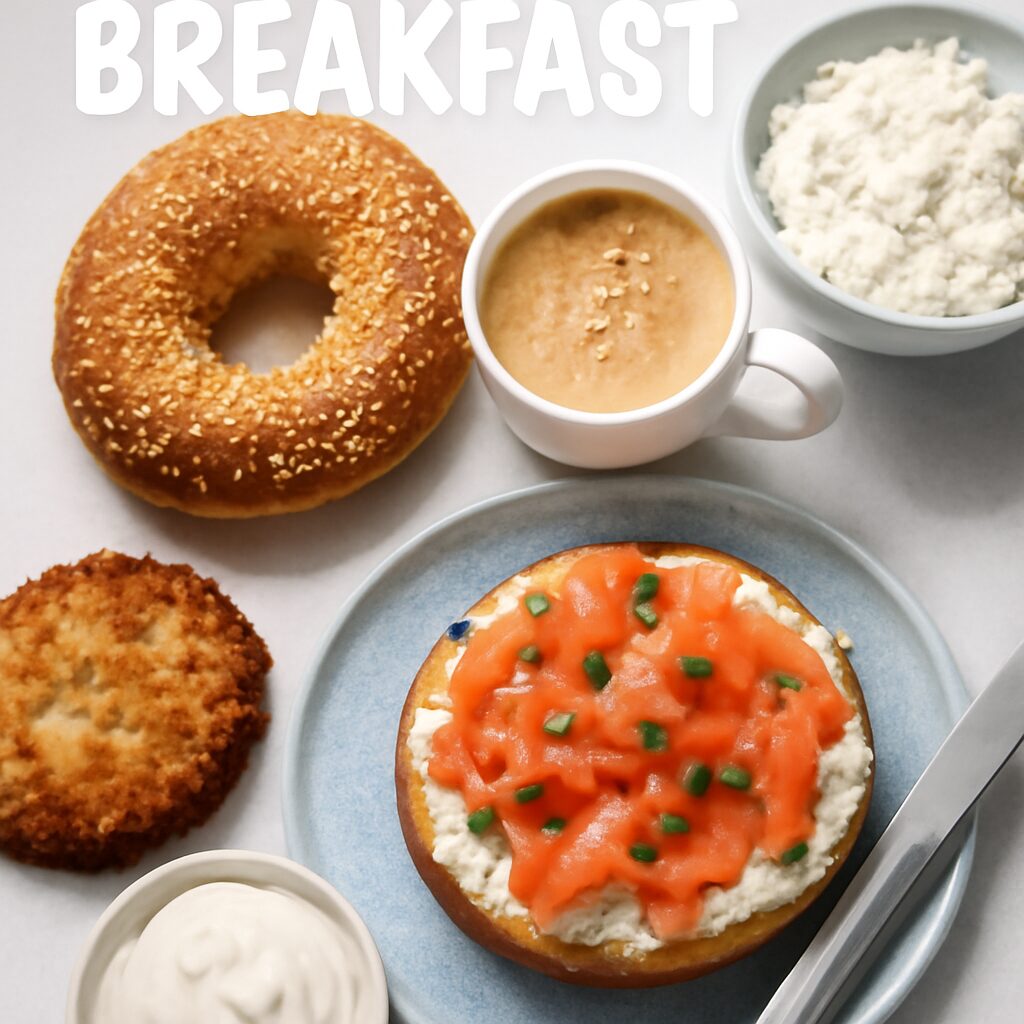
No latke is complete without its traditional accompaniments. Homemade applesauce, whether chunky or smooth, offers a sweet and slightly tart contrast to the savory latke. Sour cream provides a creamy, tangy balance. You can also experiment with other toppings like smoked salmon, chives, or even a dollop of crème fraîche for a gourmet twist.
During Hanukkah, the celebration is often accompanied by a variety of traditional foods, with latkes and sufganiyot being the most popular choices. These delicious dishes not only bring joy to the festivities but also hold significant cultural meaning. For those interested in exploring the dietary laws that influence what is served during Hanukkah, you can read more about the restrictions and guidelines in this article on kosher eating: Can Jews Eat Pork?.
Sweet Indulgences: Sufganiyot (Jelly Doughnuts)
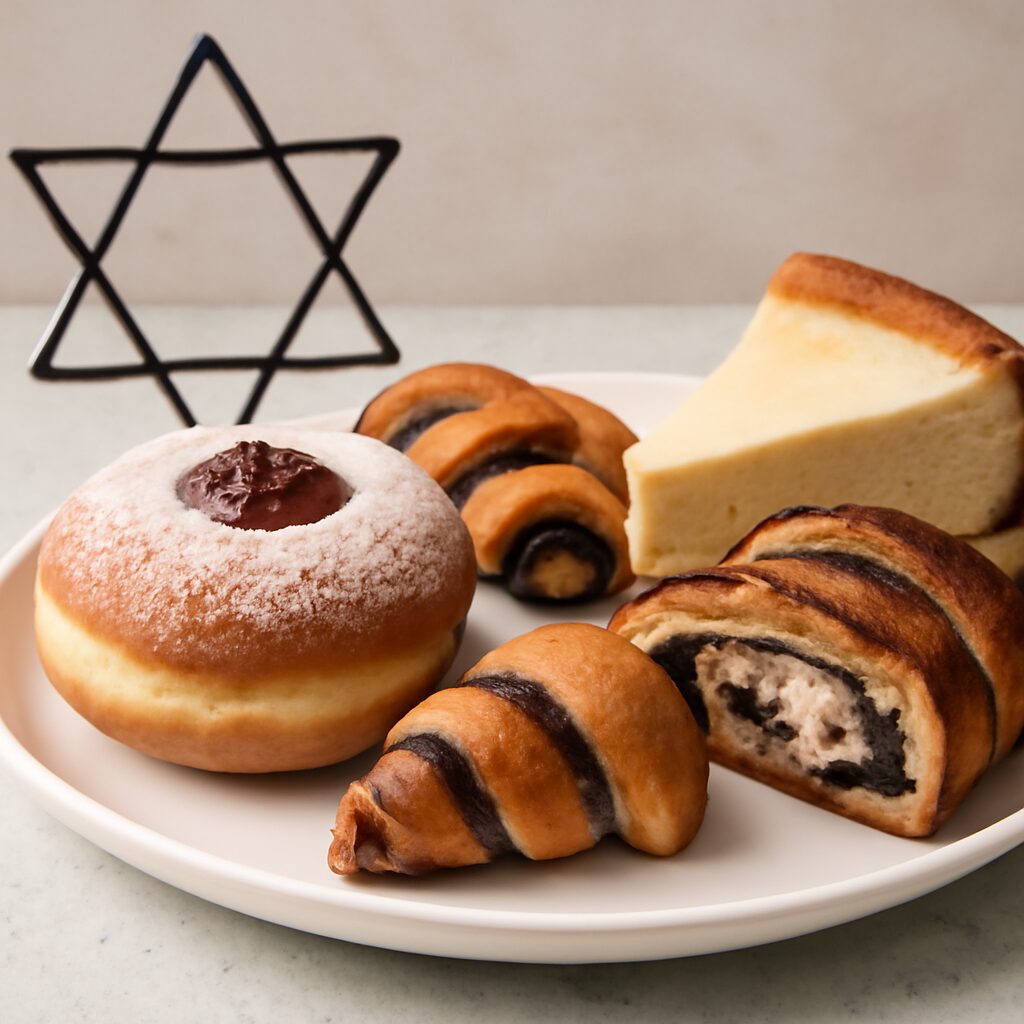
Another fried delight, sufganiyot are the quintessential Hanukkah dessert. These fluffy, sugar-dusted doughnuts, typically filled with jelly, are another delicious nod to the miracle of oil.
Mastering the Dough: Yeast and Proofing
Making doughnuts from scratch might seem intimidating, but it’s incredibly rewarding. The key is a good yeast dough. Active dry yeast or instant yeast will work. Ensure your liquids (milk or water) are warm enough to activate the yeast but not so hot that they kill it. Proper proofing – allowing the dough to rise in a warm, draft-free place – is essential for that light, airy texture. You’ll want two proofs: one after kneading and another after shaping the doughnuts.
Frying for Golden Perfection
Similar to latkes, the oil temperature is paramount when frying sufganiyot. Keep it around 350°F (175°C). Fry a few at a time, flipping them once they’re golden brown on one side. Don’t worry if they don’t look perfectly round; a little rustic charm is part of the appeal! Once fried, drain them on paper towels before moving on to filling.
Filling and Finishing: Jelly and Powdered Sugar
Traditionally, sufganiyot are filled with strawberry or raspberry jelly. You can use a pastry bag with a long, thin nozzle to inject the jelly into the cooled doughnuts. Alternatively, you can cut them in half and spread the jelly before dusting with powdered sugar. Don’t skimp on the powdered sugar – it’s part of the iconic look! For a modern twist, consider fillings like chocolate ganache, lemon curd, or even dulce de leche.
Hearty and Comforting: Brisket

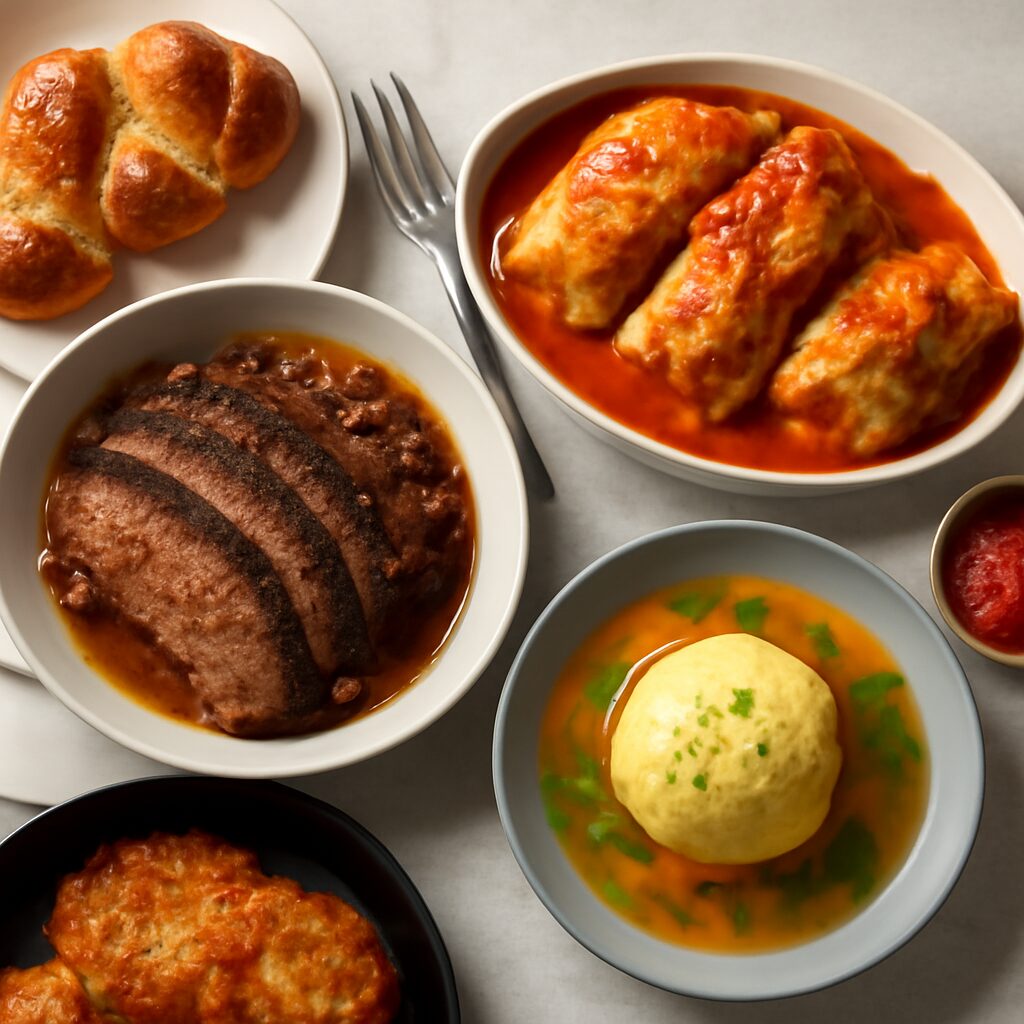
While not fried, brisket has become a beloved Hanukkah tradition for many Ashkenazi Jewish families. Its slow-cooked nature and rich, savory flavors make it a perfect centerpiece for a holiday meal, offering substantial fare alongside the fried treats.
Choosing Your Cut: Flat or Point?
Brisket comes in two main cuts: the flat (or lean) and the point (or fatty). The flat is leaner and slices beautifully, while the point is richer and more marbled with fat, making it incredibly tender and flavorful when slow-cooked. Many butchers offer a “full packer” brisket which includes both. For a classic Hanukkah brisket, a well-trimmed flat cut is often preferred for presentation, but the point offers a more forgiving and moist result.
The Art of Slow Cooking: Low and Slow is Key
Brisket is not a dish to be rushed. The magic lies in cooking it low and slow. Whether you’re braising it in the oven, using a slow cooker, or even a pressure cooker (though the slow cooker/oven method often yields the best flavor development), patience is a virtue. A good braising liquid – think beef broth, red wine,
onions, carrots, and garlic – will infuse the meat with incredible flavor and keep it moist.
Flavor Profiles: Classic and Modern Takes
A classic brisket recipe usually involves a simple seasoning of salt, pepper, garlic powder, and paprika, along with a rich, savory braising liquid. For a more modern twist, you could experiment with a sweet and savory glaze using ingredients like brown sugar, balsamic vinegar, or even a touch of cranberry sauce. Some recipes incorporate dried fruits like prunes or apricots for added sweetness and depth. Don’t be afraid to experiment with your aromatics; bay leaves, thyme, and rosemary all complement brisket beautifully.
Slicing and Serving: Against the Grain
Once your brisket is fork-tender, let it rest for at least 15-20 minutes before slicing. This allows the juices to redistribute, resulting in a more tender and flavorful slice. Always slice against the grain – this is crucial for tenderness. If you slice with the grain, the meat will be chewy and tough, regardless of how perfectly you cooked it. Serve the slices with plenty of the delicious braising liquid.
Side Dish Stars: Beyond the Basics

While latkes and sufganiyot often steal the show, a well-rounded Hanukkah meal benefits from a variety of delicious side dishes that complement the fried and braised main courses. These add texture, freshness, and often a welcome dose of vegetables.
Apple Kugel: Sweet and Savory Goodness
Kugel, a baked casserole, comes in many forms, and a sweet apple kugel is a fantastic addition to a Hanukkah feast. Made with egg noodles, apples, cinnamon, sugar, and sometimes raisins, it offers a sweet and comforting counterpoint to savory dishes. The caramelization of the apples and the crispy topping make it truly irresistible.
Roasted Vegetables: A Healthy Balance
After all the fried goodness, a simple yet flavorful roasted vegetable medley can be a refreshing addition. Think Brussels sprouts with balsamic glaze, roasted carrots with dill, or a mix of root vegetables like sweet potatoes and parsnips. Roasting brings out the natural sweetness of vegetables and provides a nice textural contrast. Toss them with olive oil, salt, pepper, and your favorite herbs before roasting until tender and slightly caramelized.
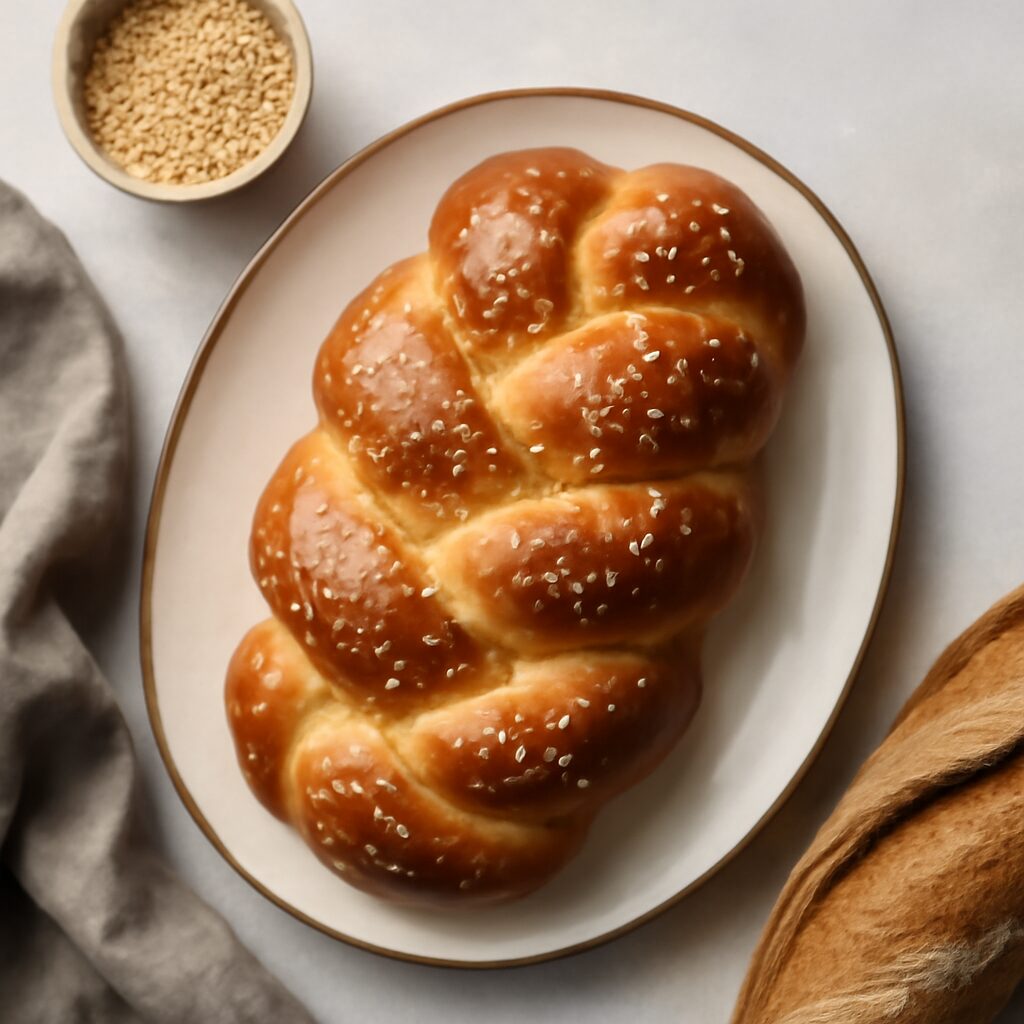
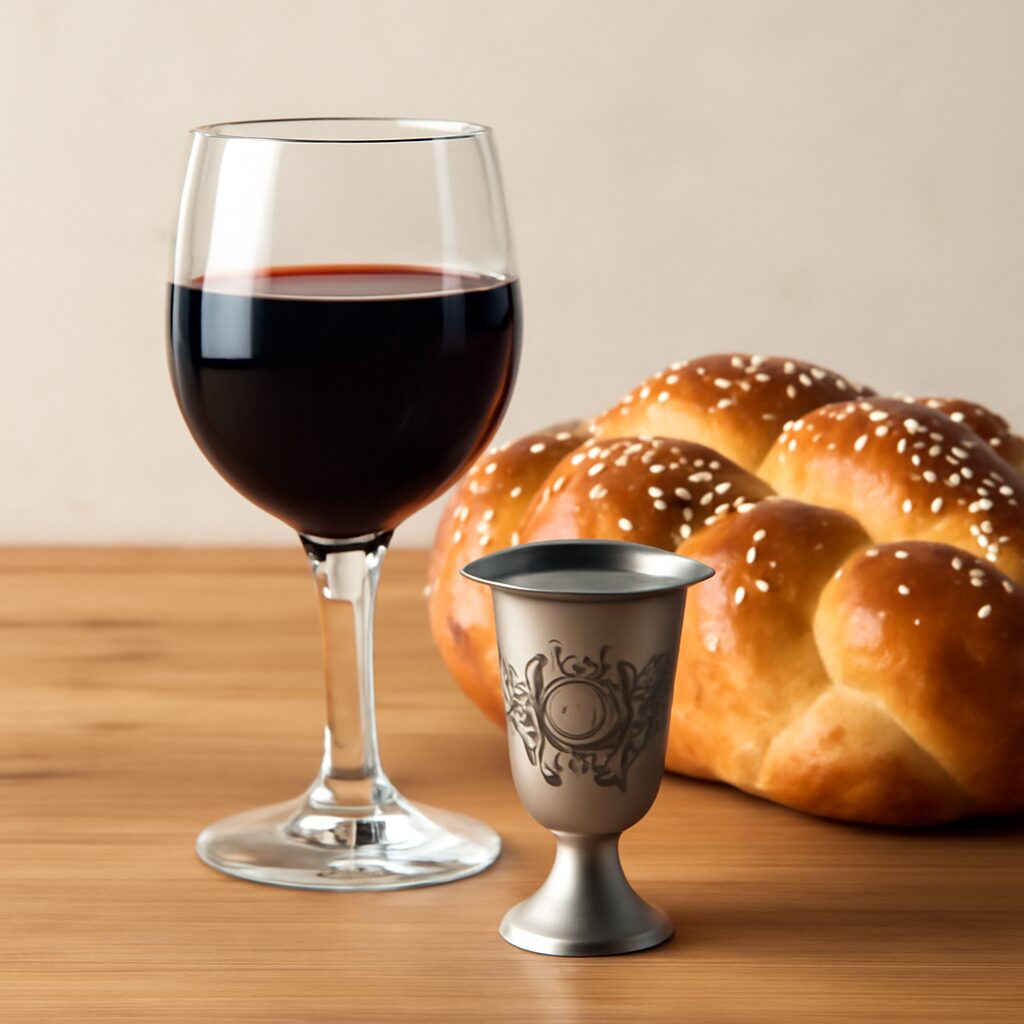
Challah Bread: The Essential Tear-and-Share Loaf
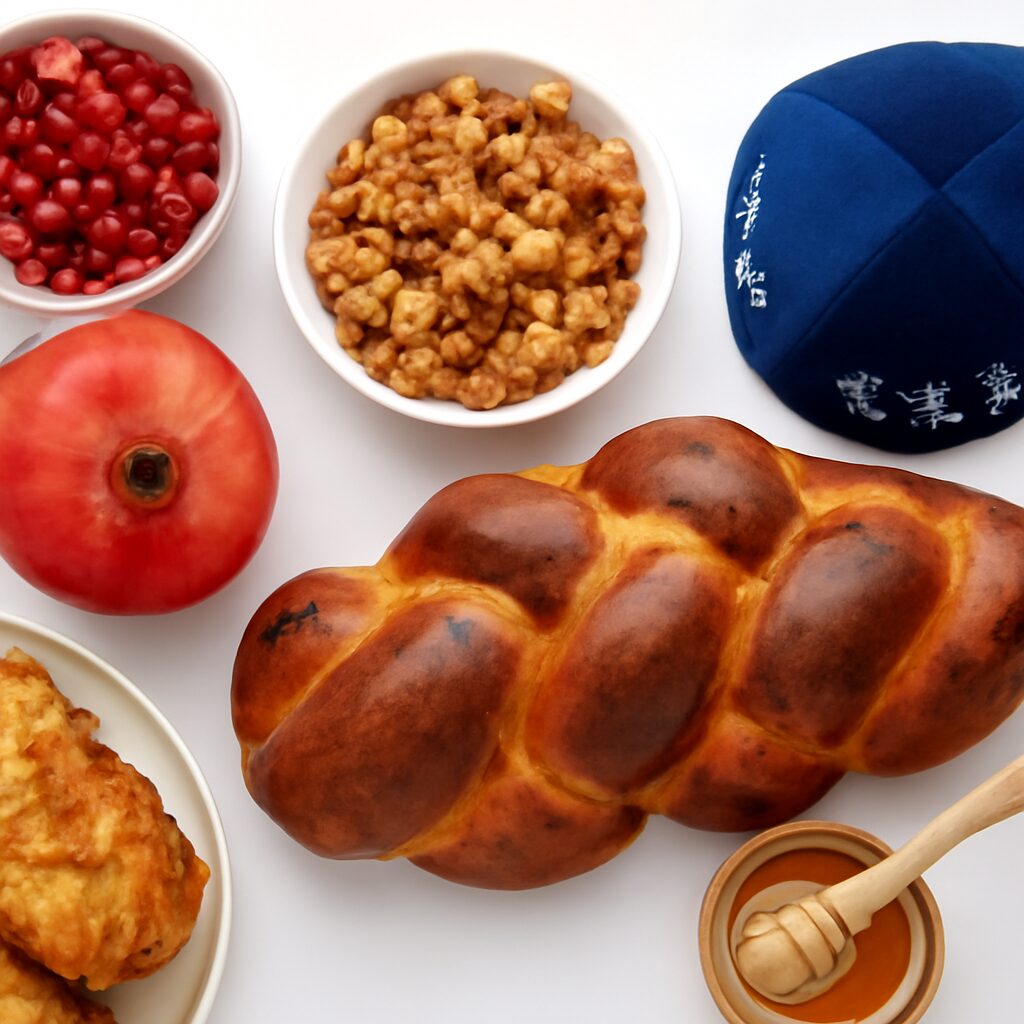
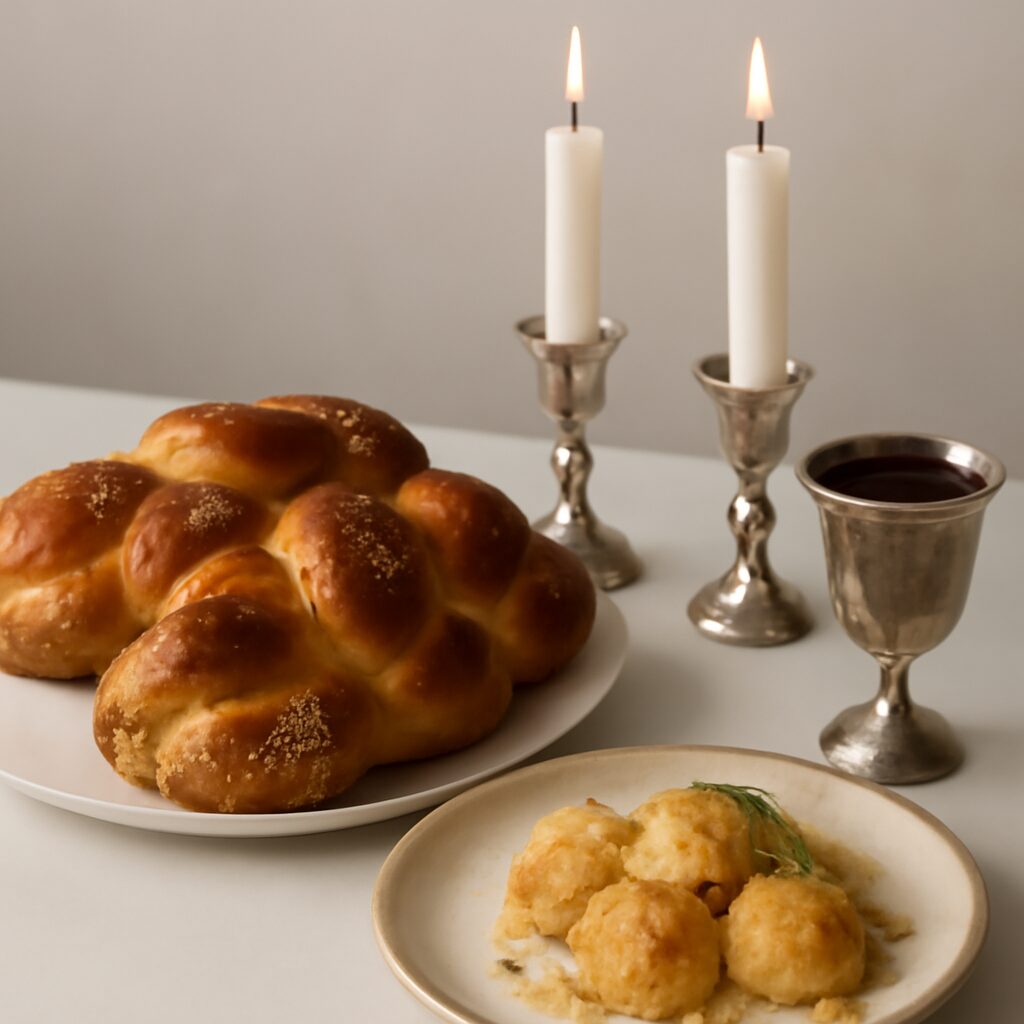
While not specifically a Hanukkah-only food (it’s a Shabbat staple), a freshly baked challah bread is always a welcome sight at any festive Jewish table. Its slightly sweet, eggy dough and beautiful braided shape make it perfect for tearing and sharing. It’s fantastic for soaking up brisket juices or simply enjoyed on its own.
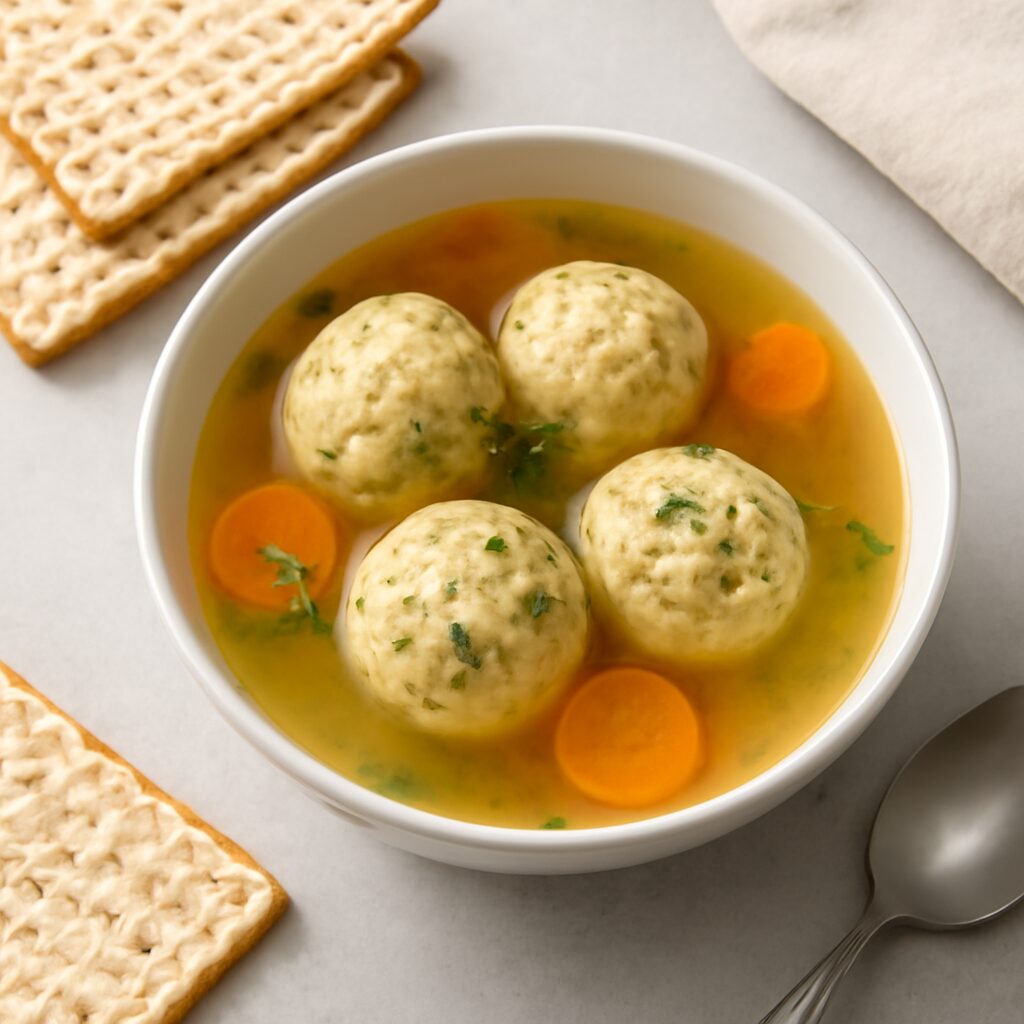
Matzo Ball Soup: A Warm Embrace
| Food | Description |
|---|---|
| Latkes | Shredded potato pancakes fried until crispy |
| Sufganiyot | Deep-fried jelly-filled doughnuts |
| Brisket | Slow-cooked beef often served as a main dish |
| Matzo ball soup | Chicken soup with dumplings made from matzo meal |
| Rugelach | Small, filled pastries often made with cream cheese dough |
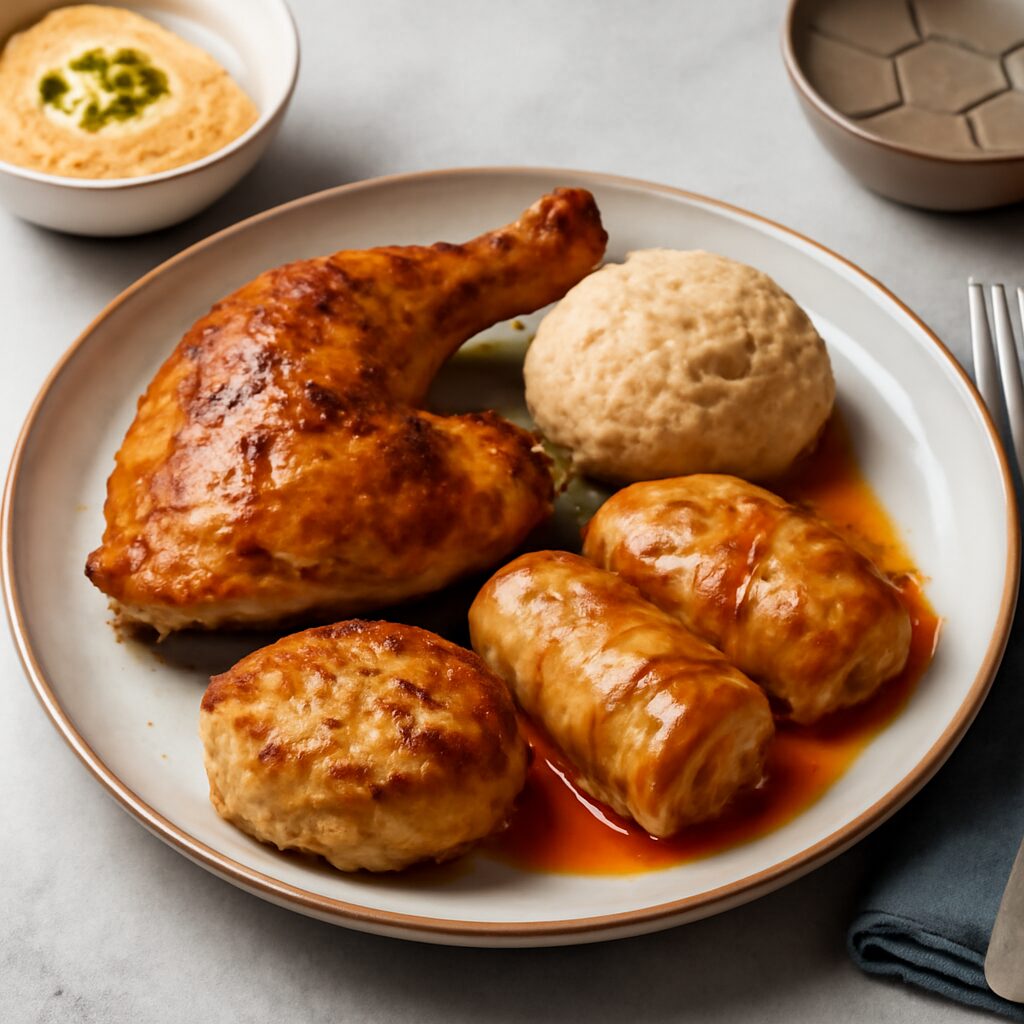
Although more traditionally associated with Passover, a hearty bowl of matzo ball soup can be a wonderfully comforting and warming starter for a Hanukkah meal, especially on a cold winter’s night. The fluffy matzo balls in a rich chicken broth are incredibly satisfying and often enjoyed as part of larger holiday celebrations.
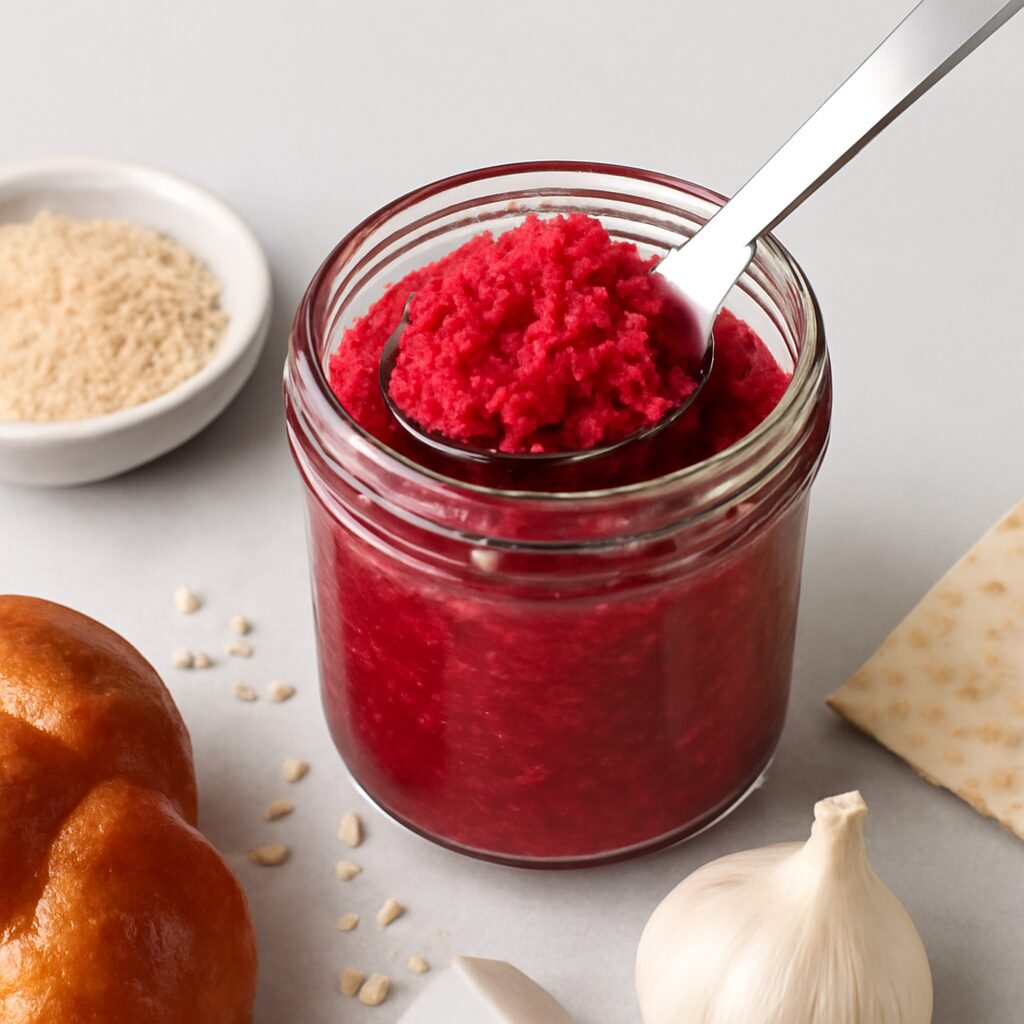
During Hanukkah, the celebration is often accompanied by a variety of delicious foods that hold cultural significance. One such dish that has gained popularity is amba, a tangy mango pickle that adds a unique flavor to traditional meals. If you’re interested in exploring how to make this vibrant condiment, you can find a great recipe in this article about amba. Incorporating amba into your Hanukkah feast can elevate your dishes and introduce your guests to a delightful taste of Jewish culinary heritage.
Drinks and Desserts: Completing the Feast
No festive meal is complete without something to sip on and a sweet finale. Beyond the sufganiyot, there are other traditional and non-traditional Hanukkah desserts to explore, and a few drink ideas to tie it all together.
Hot Chocolate or Mulled Wine: Seasonal Sips
For a cozy Hanukkah evening, a rich hot chocolate (perhaps with a dollop of whipped cream and some festive sprinkles) is a perfect choice, especially for the younger crowd. For adults, a fragrant mulled wine, infused with cinnamon, cloves, and citrus, adds a wonderful warmth and festive aroma to the celebration.
Chocolate Gelt: A Sweet Tradition
Chocolate gelt (chocolate coins wrapped in gold foil) is a classic Hanukkah treat, often used for playing dreidel. While simple, it’s an essential part of the holiday fun and a sweet little indulgence. You can find them in milk chocolate or sometimes dark chocolate varieties.
Rugelach: Delicate Pastry Bites
These small, crescent-shaped pastries are often filled with jam, chocolate, nuts, or poppy seeds. They are a beloved Jewish bakery treat and a fantastic option for a Hanukkah dessert spread. The flaky, tender dough and sweet fillings make them irresistible. You can make them ahead of time, which is a bonus when planning a holiday meal.
As you can see, Hanukkah offers a wonderful opportunity to gather with loved ones and enjoy a truly delicious and meaningful feast. Whether you’re frying up a mountain of crispy latkes, rolling out fluffy sufganiyot, or slow-cooking a tender brisket, each dish tells a story and contributes to the joyous atmosphere of the Festival of Lights. So, gather your ingredients, get cooking, and have a very happy and tasty Hanukkah!