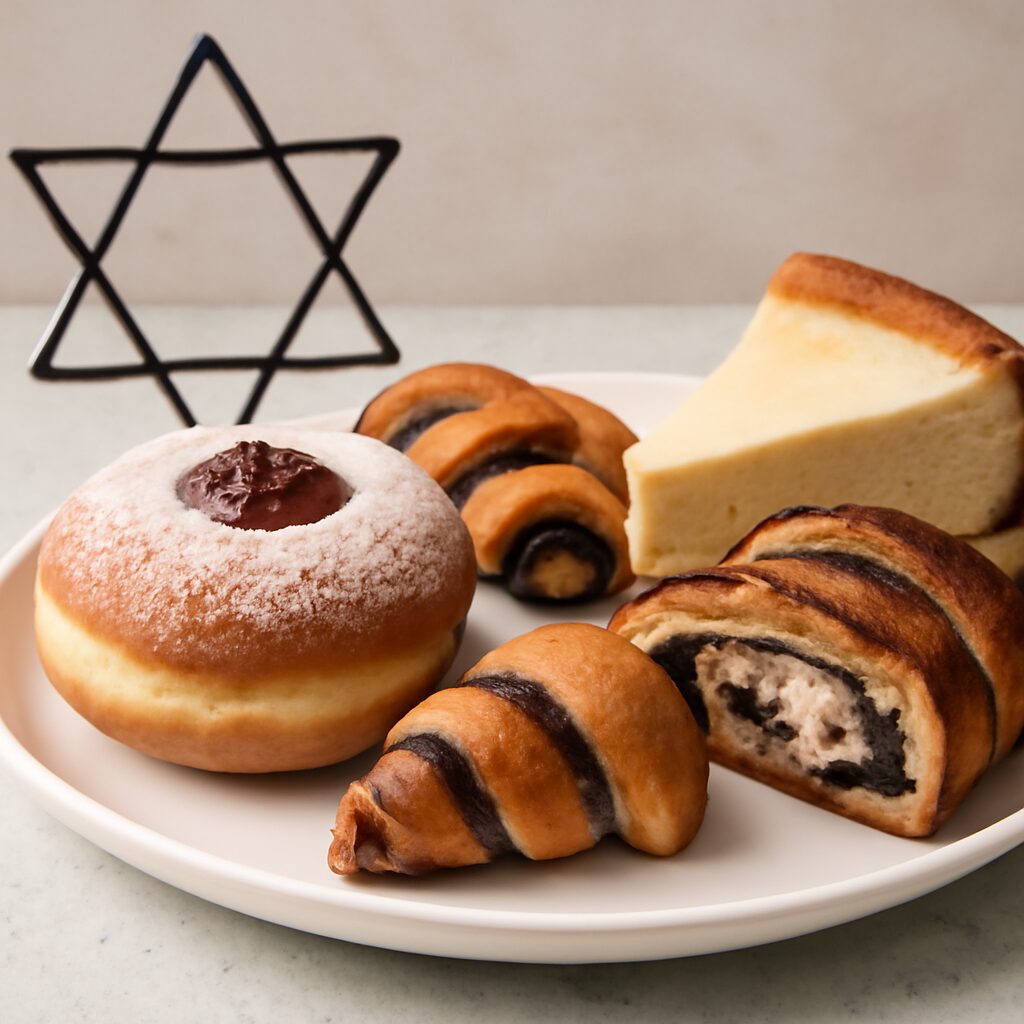
So, you’ve heard the buzz about sufganiyot and you’re wondering what all the fuss is about, right? Essentially, sufganiyot are jelly-filled donuts that have become a beloved tradition, especially during the Jewish holiday of Hanukkah. Think of a warm, slightly crispy fried dough pocket, bursting with sweet fruit jam, often dusted with powdered sugar. They’re more than just a dessert; they’re a comforting, nostalgic treat that brings a lot of joy.
Sufganiyot have a history that stretches back further than you might think, and their evolution is pretty interesting. While they’re a staple of Hanukkah now, their origins aren’t directly tied to the holiday itself, which adds a fun layer to their story.
Ancient Roots and Spreading Tastes
The idea of deep-frying dough in oil is ancient. Think about the various fried doughs found across different cultures – fritters, churros, beignets. This method of cooking was common for preservation and also for creating a delicious, indulgent treat. The concept of a sweet, fried pastry existed in many forms long before sufganiyot became a specific Hanukkah item.
From the Mediterranean to Hanukkah Tables
The direct ancestor of the modern sufganiyah likely hails from the Mediterranean region. Historical records suggest variations of fried fritters with sweet fillings or toppings were known in these areas for centuries. Over time, as Jewish communities spread and interacted with local cuisines, these delightful pastries began to find their place on special occasion tables.
The Hanukkah Connection: A Celebration of Oil
The adoption of sufganiyot as a Hanukkah treat makes a lot of sense. Hanukkah, the Festival of Lights, commemorates the miracle of the oil that lasted for eight days in the ancient Temple. Fried foods, prepared in oil, are a symbolic nod to this miracle. So, while the sufganiyah itself isn’t from the time of the Maccabees, it became a perfect culinary companion to the holiday’s themes.
Modern Transformations: From Simple Fritter to Hanukkah Star
Over the years, the sufganiyah has evolved. What might have started as a simpler, possibly less refined fritter has become the distinct, round, jelly-filled donut we recognize today. The emphasis on a soft, airy interior and a slightly crisp exterior, along with the generous filling, has solidified its status as a must-have during the eight nights.
Sufganiyot, the delicious jelly-filled doughnuts traditionally enjoyed during Hanukkah, are often accompanied by various side dishes that enhance the festive meal. One such delightful dish is spinach pie, which offers a savory contrast to the sweet sufganiyot. For a tasty recipe that complements your Hanukkah celebrations, you can check out this article on making spinach pie at Jewish Food.
Unpacking the Components: What Makes a Sufganiyah Tick?
The magic of a sufganiyah lies in its simplicity, yet the quality of each element makes a significant difference. It’s a harmonious blend of dough, filling, and finishing touches that come together to create that irresistible taste.
The Dough: The Foundation of Flavor
The dough is the unsung hero of the sufganiyah. It’s not just about being a vehicle for the jelly; a good dough has character.
Texture is Key: Airy and Light
The ideal sufganiyah dough is yeasted, giving it that characteristic lift and airy texture. It should be soft and cloud-like on the inside, providing a pleasant contrast to the slightly browned, crispy exterior. This lightness is crucial; you don’t want a dense, heavy pastry.
A Touch of Sweetness
While not overly sweet on its own, the dough usually has a subtle sweetness that complements the jam filling. A hint of sugar, maybe a touch of milk or water, and of course, yeast and flour form the basic building blocks.
The Rise and Shine: Proofing Matters
Proper proofing is essential for that perfect texture. The dough needs time to rise and develop, allowing the yeast to work its magic. This ensures the final product is light and fluffy, not gummy or flat.
The Filling: A Burst of Sweetness
This is where the fun really begins! The jelly is the heart of the sufganiyah, delivering that delightful burst of flavor.
Classic Strawberry or Raspberry
These are perhaps the most traditional and popular fillings. The sweet-tartness of strawberry or raspberry jam cuts beautifully through the richness of the fried dough. Look for good quality jams with real fruit pieces for an authentic taste.
Beyond the Berry: Innovative Flavors
While classic flavors are beloved, the world of sufganiyot fillings has expanded considerably. You’ll find variations filled with:
- Chocolate: Rich and decadent, a chocolate-filled sufganiyah is a treat for pure indulgence.
- Dulce de Leche: This creamy, caramel-like spread offers a different kind of sweetness and a wonderfully smooth texture.
- Cream: Think custard, pastry cream, or even whipped cream fillings. These add a luxurious, less intensely sweet experience.
- Fruit Variations: Beyond the common berries, some opt for apricot, cherry, or even more exotic fruit preserves.
The Art of the Injector
The filling is typically added after frying, using a piping bag with a long nozzle. This is a delicate operation, ensuring the donut is filled generously without bursting. It’s this careful injection that gives the sufganiyah its signature plumpness.
The Finishing Touches: The Grand Finale
The final touches are what elevate a good sufganiyah to a great one. They add visual appeal and that last layer of deliciousness.
The Powdered Sugar Dusting
This is the most iconic topping. A generous dusting of powdered sugar not only looks festive but also adds a delicate sweetness and a powdery texture that melts in your mouth. It’s the classic Hanukkah sufganiyah look.
Glazed and Embellished
Some modern interpretations move beyond just powdered sugar. You might find sufganiyot with a simple glaze, a drizzle of chocolate, or even sophisticated toppings like:
- Sprinkles: Adding a pop of color and a subtle crunch.
- Crushed Nuts: For added texture and a nutty flavor dimension.
- Ganache Drizzles: For a truly decadent experience.
- Edible Glitter: For a touch of Hanukkah sparkle.
The Art and Science of Frying: Perfecting the Golden Brown

Frying sufganiyot isn’t just about dunking dough into hot oil. There’s a technique to it that ensures they cook evenly and achieve that perfect golden-brown hue and satisfying crispness.
Oil Temperature: The Golden Rule
This is arguably the most critical factor. If the oil is too hot, the outside will burn before the inside cooks through. If it’s too cool, the sufganiyot will absorb too much oil and become greasy and heavy.
The Ideal Range
Most recipes suggest an oil temperature between 350-375°F (175-190°C). Using a thermometer is highly recommended to maintain this consistent temperature.
Monitoring and Adjusting
As you fry, the oil temperature will fluctuate. You’ll need to monitor it and adjust the heat as necessary to keep it within the optimal range. This might involve turning the heat up or down slightly as you add more sufganiyot or as batches finish.
The Frying Process: Turning and Timing
Once your oil is at the right temperature, it’s time to fry. Don’t overcrowd the pan; this will lower the oil temperature and lead to uneven cooking.
Gentle Entry
Carefully place the dough rounds into the hot oil, being careful not to splash. They should float.
The Flip
Allow them to fry for a few minutes on one side until they develop a beautiful golden-brown color. Then, gently flip them over to cook the other side. They’ll often puff up significantly as they cook.
Golden Perfection
The goal is to achieve an even, golden-brown color on all sides. This typically takes about 6-8 minutes in total, depending on the size of the sufganiyah and the oil temperature.
Draining and Cooling: Setting the Stage
Once fried to perfection, it’s important to drain the sufganiyot properly to remove excess oil.
Paper Towel Power
Place them on a wire rack lined with paper towels. This allows air to circulate, preventing them from becoming soggy, and lets the excess oil drip away.
Topping Time
Allow them to cool slightly before filling and topping. If they are too hot, the filling might leak out, and the powdered sugar or glaze might melt too quickly.
Beyond Hanukkah: Sufganiyot’s Year-Round Appeal
While deeply ingrained in Hanukkah celebrations, the allure of a perfectly made sufganiyah isn’t confined to just that one time of year. Their delightful taste and comforting nature lend themselves to other occasions, or simply a craving for something sweet and satisfying.
A Special Occasion Treat
Think of birthdays, holidays, or even just a casual get-together where a sweet treat is in order. A platter of homemade or expertly crafted sufganiyot can be a showstopper. They offer a bit of fun and a touch of nostalgia that many people enjoy.
The Rise of the Artisan Bakery
You’ll find that many bakeries, especially those with a focus on artisanal pastries or specific cultural offerings, will feature sufganiyot beyond the Hanukkah season. They might even offer seasonal variations or unique flavor combinations throughout the year. This availability means you don’t have to wait for December to indulge.
The Comfort Food Connection
There’s a certain inherent comfort in a warm, sugary donut. The simple act of biting into one, feeling the soft dough and tasting the sweet jam, can be incredibly satisfying. This makes them a go-to for those moments when you just need a little pick-me-up or a taste of something familiar and good.
Exploring Different Sizes and Styles
Bakeries and home bakers are also experimenting with different sizes and styles. You might find miniature sufganiyot, perfect for parties or as a smaller indulgence. Some might even be baked instead of fried for a lighter option, though this changes the classic texture.
Sufganiyot, the delicious jelly-filled doughnuts traditionally enjoyed during Hanukkah, have a rich cultural significance that extends beyond their sweet taste. For those interested in exploring more about Jewish culinary traditions, a fascinating article on cholent, a hearty stew often served on Shabbat, can provide insight into the diverse flavors of Jewish cuisine. You can read more about it in this article, which highlights the importance of communal meals and the joy of sharing food with loved ones.
Homemade vs. Bought: The Great Sufganiyah Debate
| Year | Amount of Sufganiyot Consumed | Popular Flavors |
|---|---|---|
| 2018 | 5 million | Strawberry, Chocolate, Custard |
| 2019 | 6.5 million | Raspberry, Caramel, Vanilla |
| 2020 | 4.8 million | Blueberry, Lemon, Nutella |
This is where personal preference truly comes into play. Both homemade and store-bought sufganiyot have their merits, and the “best” one really depends on what you’re looking for.
The Joy of Homemade: From Scratch Magic
There’s something incredibly rewarding about making sufganiyot from scratch. It’s a process that can be a lot of fun, especially if you have the time and inclination.
Customization is King
When you make them yourself, you have complete control. You can choose your favorite jam, experiment with different dough recipes, and decide exactly how much powdered sugar you want. This level of personalization is a major draw.
The Sensory Experience
The smell of fried dough filling your kitchen is an experience in itself. The process of mixing, kneading, shaping, and frying can be a wonderfully tactile and sensory activity. It connects you to the food in a unique way.
Shared Culinary Adventures
Making sufganiyot can also be a fantastic family or friends activity. Working together in the kitchen, sharing the tasks, and enjoying the fruits of your labor can create lasting memories.
The Convenience of Store-Bought: Effortless Indulgence
For many, the practicality and sheer convenience of buying sufganiyot are the key reasons to opt for them.
Time-Saving Solution
Let’s be honest, making sufganiyot takes time and effort. Busy schedules often mean that picking up a box from a bakery is the most feasible option. You get that delicious treat without the fuss of preparation and cleanup.
Consistent Quality
Reputable bakeries often have the equipment and expertise to produce consistently high-quality sufganiyot. They know the temperature of the oil, the proofing times, and how to achieve that perfect texture.
Variety and Novelty
Bakeries often offer a wider range of flavors and creative toppings than you might be able to achieve at home, especially if you’re limited in your ingredients or equipment. They can introduce you to new and exciting combinations.
Finding Your Perfect Balance
Ultimately, whether you choose to make them yourself or buy them, the goal is to enjoy these delightful treats. Don’t feel pressured to do one over the other. If you love the process of baking, embrace homemade. If you value your time and enjoy the convenience, a bakery-bought sufganiyah is a perfect choice. Many people find a happy medium, perhaps making them for a special occasion and buying them for everyday cravings.