So, you’ve heard about borekas, huh? These little baked delights are a staple in many Sephardic households, and for good reason. They’re incredibly versatile, ranging from a light snack to a satisfying mini-meal, and they’re absolutely packed with flavor. Essentially, borekas are savory pastries, often made with flaky dough and filled with all sorts of delicious ingredients. Think of them as a more sophisticated, often tastier, cousin to a pot pie or a savory turnover. They’re usually baked until golden brown and can be enjoyed warm or at room temperature, making them perfect for pretty much any occasion.
What Exactly is a Boreka?
Let’s break down what makes a boreka a boreka. At its core, it’s a pastry pocket. The dough can vary quite a bit, with some being incredibly thin and flaky like phyllo, while others have a more tender, almost shortcrust-like texture.
The Dough Dilemma: Flaky vs. Tender
The type of dough used significantly impacts the final boreka.
The Flaky Phyllo Approach
Many traditional borekas use layers of thin, delicate phyllo dough. This is the kind of dough that shatters with each bite, creating that super satisfying crispness. It requires a bit more attention to assemble, as you need to brush each layer with butter or oil to achieve that airy, flaky texture.
The Tender Dough Alternative
Other recipes opt for a simpler, more forgiving dough. This might resemble a basic pie crust or even a slightly enriched dough. These tend to be a bit more substantial and less prone to drying out, making them a good choice if you’re new to pastry making.
The Heart of the Matter: The Fillings
While the dough is important, it’s the filling that really makes a boreka sing. This is where the creativity and regional variations truly shine.
Savory Sensations
The most common fillings are savory. Think seasoned potatoes, creamy cheese, spiced meat, or tender vegetables. The key is often in the seasoning – a good amount of salt, pepper, and perhaps some herbs or a hint of spice.
Sweet Surprises (Less Common, But Still Delicious!)
While less typical, you can find borekas with sweet fillings. Think fruit compotes or sweetened cheese. These are often enjoyed as a dessert or a sweet treat.
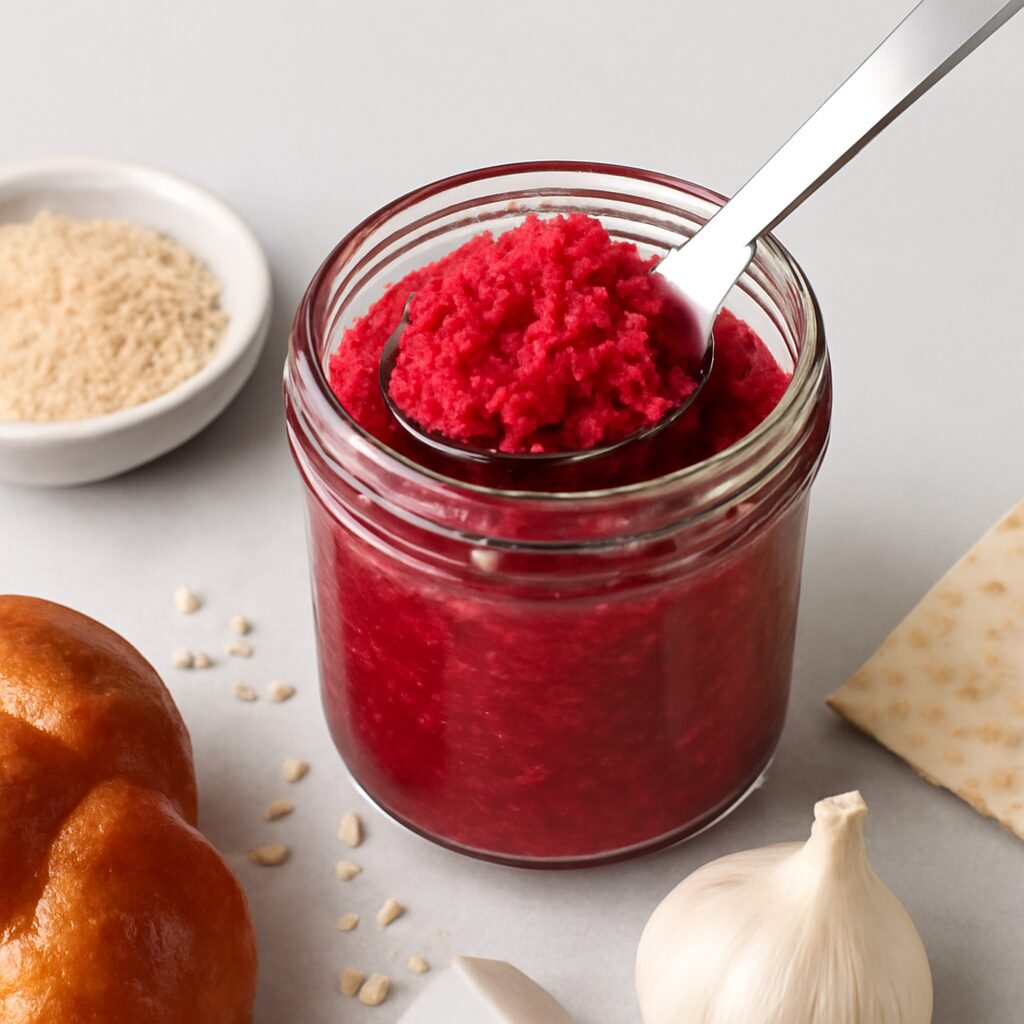
Borekas, the beloved Sephardic pastries, are often enjoyed with a variety of flavorful condiments that enhance their deliciousness. One such condiment is harissa, a spicy chili paste that adds a delightful kick to these savory treats. For those interested in exploring how to make this vibrant sauce and elevate their borekas experience, you can check out this related article on harissa at Jewish Food.
A Whistle-Stop Tour of Boreka Origins
Borekas have a rich history that stretches back centuries, primarily within the Sephardic Jewish communities. Their journey is a fascinating tale of migration, adaptation, and culinary fusion.
The Ottoman Empire’s Influence
The Ottoman Empire, with its vast reach and diverse cultures, played a significant role in shaping the boreka. During the empire’s reign, which spanned parts of Europe, Asia, and Africa, culinary traditions intermingled. The Sephardic Jews, who were expelled from Spain and migrated to various parts of the Ottoman Empire (like the Balkans, Turkey, and the Middle East), brought their existing pastry traditions with them.
Adapting to Local Ingredients
As they settled in new lands, Sephardic cooks naturally started incorporating local ingredients into their doughs and fillings. This led to the regional variations we see today. For example, in some areas, you might find borekas made with rice or bulgur, reflecting the local staples.
The Spread of a Beloved Food
The boreka quickly became a popular food item, not just within Jewish communities but also among their neighbors. Its portability, shelf life, and deliciousness made it ideal for travelers, celebrations, and everyday consumption. This widespread appeal contributed to its evolution and the development of numerous regional styles.
Sephardic Communities Abroad
Even after the decline of the Ottoman Empire and the dispersal of Sephardic communities to new homes, the tradition of making borekas persisted. Whether they moved to Israel, North or South America, or other parts of Europe, they carried their culinary heritage with them.
Maintaining Tradition
In many of these new locations, Sephardic communities worked to preserve their ancestral recipes. This often involved adapting to available ingredients in their new homelands while trying to stay true to the original flavors and techniques.
Modern Adaptations
Today, while traditional borekas are still beloved, there’s also room for modern interpretations. Chefs and home cooks alike are experimenting with new fillings and dough variations, bringing borekas to a wider audience than ever before.
Popular Boreka Fillings: A Culinary Palette
The beauty of borekas lies in their incredible versatility. The fillings are where you can really let your imagination run wild, and there are some classic combinations that have stood the test of time.
The Potato Powerhouse
Potato-filled borekas are arguably one of the most widespread and universally loved varieties. They’re hearty, comforting, and incredibly satisfying.
Simple Spuds, Big Flavor
The basic potato filling usually involves boiled or mashed potatoes that are then seasoned generously. Salt and pepper are essential, of course, but a touch of garlic powder, onion powder, or even some paprika can elevate it. Some recipes add a bit of chopped parsley or dill for freshness.
Creamy or Chunky?
You can go for a smooth, mashed potato filling or leave it a little chunky for a more rustic texture. Both have their merits, and it often comes down to personal preference.
The Cheese Connoisseur’s Choice
Cheese fillings are another incredibly popular option, offering a delightful tang and creamy richness.
Feta’s Funky Charm
Feta cheese is a common star in borekas, especially in versions with Mediterranean influences. Its salty, briny flavor pairs beautifully with a hint of herbs like mint or oregano.
Mild and Melty Lovers
For those who prefer something milder, ricotta, mozzarella, or a blend of cheeses can be used. These melt beautifully, creating a wonderfully gooey interior. Some recipes might even add a bit of cream cheese for extra richness.
Savory Meets Veggies: A Healthier Twist
For those looking to incorporate more vegetables, or simply to enjoy a lighter option, vegetable fillings are fantastic.
Spinach and Artichoke Synergy
A classic combination that works wonders in savory pastries is spinach and artichoke. Use cooked spinach (well-drained to avoid a soggy boreka) and chopped artichoke hearts. Season with garlic, lemon zest, and perhaps a touch of nutmeg.
Mushroom Magic
Sautéed mushrooms, whether cremini, shiitake, or a mix, offer a lovely earthy flavor. Season them with thyme, rosemary, or a splash of soy sauce for an umami boost.
Pumpkin or Butternut Squash
In certain regions, sweet potato, pumpkin, or butternut squash are popular fillings, especially around the fall harvest. Roasting these vegetables brings out their natural sweetness, which can be balanced with spices like cinnamon, nutmeg, and a pinch of cayenne for a sweet and savory profile.
Meat Lover’s Delight
For a more substantial and protein-rich boreka, meat fillings are a fantastic choice.
Seasoned Ground Meat
Ground lamb or beef, browned and seasoned with onions, garlic, and common spices like cumin, coriander, and paprika, makes for a hearty and flavorful filling.
Chicken or Turkey Twists
You can also use finely chopped cooked chicken or turkey. Mix it with a binder like a touch of béchamel sauce or cream cheese to keep it moist.
Assembling Your Borekas: The Craft of the Pocket
The process of making borekas is where the magic truly happens, transforming simple ingredients into something special. While the dough and filling are crucial, the way you assemble them makes all the difference in that final, satisfying bite.
Working with Phyllo: The Flaky Art
If you’re going the phyllo route, patience and a good brush are your best friends.
Layer by Layer
You’ll typically lay out a sheet of phyllo, brush it generously with melted butter or olive oil, and then place another sheet on top. Repeat this process several times to build up your layers. The more layers, the flakier the pastry.
Folding and Shaping
Once your layers are ready, you’ll add your filling to one end or spread it across the surface. Then, you fold and roll or seal the pastry like a pocket or a triangle, depending on the desired shape. The key is to ensure the filling is well-contained to prevent leaks during baking.
Simpler Doughs: A More Forgiving Approach
If you’re using a more tender dough, the assembly is generally more straightforward.
Rolling and Filling
You’ll roll out your dough to a desired thickness and then cut it into circles or squares. Place a spoonful of filling on one half of the dough and then fold the other half over, sealing the edges with a fork or your fingers.
Hand Pies Style
This method is similar to making hand pies, offering a more forgiving and less fussy way to create your borekas. The result is a delicious pastry, even if it doesn’t have the extreme flakiness of phyllo.
Sealing the Deal: Preventing Spills
No one wants their delicious filling escaping during baking!
Pinch and Press
For doughs, ensure you’re pinching the edges firmly to seal. A fork can also be used to crimp the edges for both decoration and a secure seal.
Tuck and Fold
With phyllo, the folding and tucking techniques are important. Make sure any open edges are tucked in to create a neat parcel. Don’t be afraid to experiment with different folding methods – squares, triangles, or even braided designs are possible.
Borekas are a delightful Sephardic pastry that showcases the rich culinary traditions of the Jewish diaspora. These flaky pastries can be filled with a variety of ingredients, from savory cheeses to spiced potatoes, making them a versatile treat for any occasion. If you’re interested in exploring more about Jewish cuisine, you might find this article on corned beef particularly intriguing, as it highlights another beloved dish that has become a staple in Jewish households. Whether enjoyed as a snack or served at a festive gathering, borekas truly embody the flavors and heritage of Sephardic cooking.
Serving Sugestions: Elevating the Boreka Experience
A boreka is delicious on its own, but with a few simple additions, you can take your enjoyment to the next level. Think about how the boreka fits into a meal or snack, and what accompaniments would complement its flavors.
The Classic Accompaniments
Certain accompaniments have become almost as traditional as the borekas themselves.
Yogurt or Sour Cream Dip
A dollop of plain yogurt or sour cream is a fantastic counterpoint to the richness of many boreka fillings. It adds a cooling, tangy element that cuts through the savory flavors. You can also elevate this by adding a squeeze of lemon juice, some fresh herbs, or a pinch of garlic powder.
Tahini Sauce
For those with a more Middle Eastern leaning, a simple tahini sauce is a delightful accompaniment. Mix tahini paste with water, lemon juice, and a pinch of salt to achieve your desired consistency.
Building a Meal Around Borekas
Borekas aren’t just snacks; they can form the centerpiece of a meal.
A Light Lunch
Serve a couple of borekas with a fresh, vibrant salad. A simple green salad with a lemon vinaigrette or a chopped tomato and cucumber salad would be perfect.
Part of a Mezze Platter
Borekas are a natural fit for a mezze or tapas-style spread. Alongside hummus, baba ghanoush, olives, and falafel, they add a warm, savory element.
Brunch Bliss
For a weekend brunch, borekas can be served alongside eggs, a fruit salad, and perhaps some cured meats. They offer a unique and satisfying option that deviates from the usual brunch fare.
Sweet Endings (or Beginnings!)
If you’ve made a sweet boreka, or even if you just have a sweet tooth, consider these dessert pairings.
A dusting of Powdered Sugar
For sweet borekas, a light dusting of powdered sugar can be a simple yet elegant finish.
Fresh Fruit
Serve with a side of fresh berries or sliced fruit for a light and refreshing contrast.
Bringing Borekas Home: Tips for Success
Making borekas at home can be incredibly rewarding. While the thought of making pastry might seem daunting, with a few key tips, you can achieve delicious results.
Ingredient Quality Matters
Just like in any cooking, the quality of your ingredients will shine through.
Fresh is Best
Use fresh vegetables, good quality cheese, and well-seasoned meat if you’re going for those options. For phyllo dough, ensure it hasn’t dried out.
Good Butter or Oil
If you’re using butter for your phyllo or dough, a good quality butter will add to the flavor. Similarly, a flavorful olive oil can enhance savory borekas.
Dough Handling Techniques
Each type of dough requires slightly different handling.
Phyllo’s Delicate Nature
When working with phyllo, keep it covered with a damp cloth when not actively using it to prevent it from drying out. Work relatively quickly to avoid issues.
Tender Dough Patience
For more tender doughs, don’t overwork them. Overworking can lead to a tough pastry. Aim for just enough kneading to bring it together. Chilling the dough before rolling can also make it easier to handle.
Baking to Golden Perfection
The baking process is crucial for that beautiful color and crispy texture.
Preheat Your Oven
Always preheat your oven to the temperature specified in your recipe. This ensures even cooking and browning.
Watch for Color
Borekas are ready when they are deeply golden brown on all sides. Don’t be afraid if they look a little dark in places – that’s where the flavor is!
Cooling Grace Period
Allow your borekas to cool for a few minutes before digging in, especially if they’re piping hot from the oven. This allows the fillings to set slightly and makes them easier to handle.
Borekas are a testament to the power of simple ingredients transformed by tradition and a little bit of culinary love. Whether you’re a seasoned baker or a novice in the kitchen, giving borekas a try is a delicious journey worth taking.