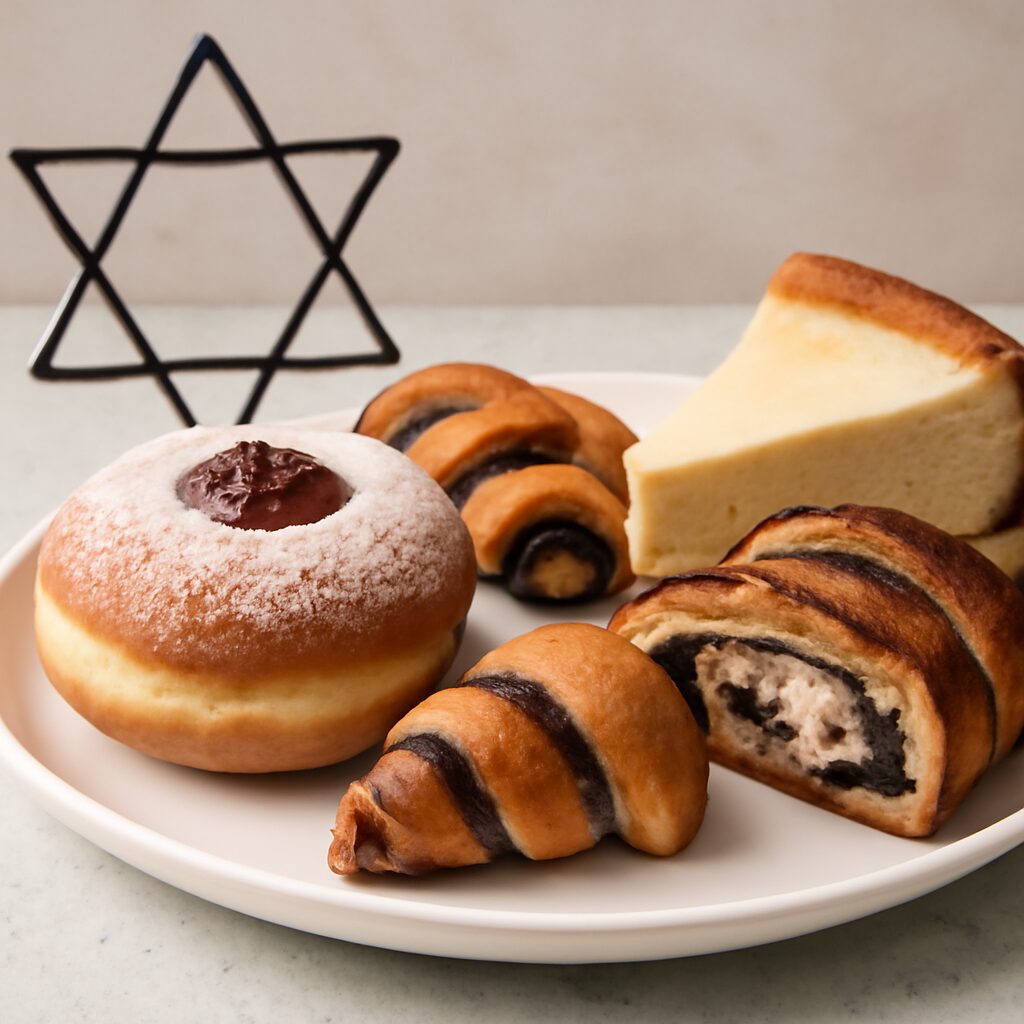
Sufganiyot, those delightful, jelly-filled doughnuts, are a Hannukah staple, and for good reason! They’re a delicious and surprisingly simple way to celebrate the holiday, symbolizing the miracle of the oil. Now, let’s dive into mastering them at home.
Before we get our hands sticky, it’s helpful to touch on why these sweet treats are so intertwined with Hannukah. It’s more than just a tasty dessert; there’s a lovely bit of history baked in.
The Miracle of Oil and Fried Foods
Hannukah, also known as the Festival of Lights, commemorates the rededication of the Second Temple in Jerusalem. When the Maccabees reclaimed the temple, they found only enough oil to light the Menorah for one day. Miraculously, it burned for eight days, allowing them time to prepare more. Frying foods in oil, like sufganiyot, directly references this miracle, reminding us of the enduring flame.
A Global Delicacy
While sufganiyot are most famously associated with Israel and Jewish communities worldwide, the concept of a fried, filled dough isn’t unique. Various cultures have their own versions – from German Berliner Pfannkuchen to Polish pączki. But for Hannukah, the sufganiyah reigns supreme.
Sufganiyot, the delicious jelly-filled doughnuts traditionally enjoyed during Hanukkah, have a rich cultural significance and are often accompanied by other festive treats. One such treat is hamantaschen, a triangular pastry filled with various sweet fillings, typically associated with Purim. To explore a delightful recipe for hamantaschen, you can visit this article: Hamantaschen Recipe. This connection between the two desserts highlights the diverse culinary traditions within Jewish celebrations.
Essential Ingredients for Perfect Sufganiyot
You don’t need a pantry full of exotic items to make excellent sufganiyot. Chances are, you already have most of these on hand. Quality ingredients, however, will make a noticeable difference in the final product.
The Dough Base
This is where the magic starts. A good yeast dough needs just a few core components to become light and airy.
All-Purpose Flour: The Foundation
Don’t overthink this. Standard all-purpose flour works beautifully. You don’t need fancy bread flour here; we’re not aiming for a super chewy crust like a baguette, but rather a tender, pliable dough that fries well. Sifting it isn’t strictly necessary but can help ensure a lump-free dough.
Active Dry Yeast: The Leavening Agent
This is crucial for that fluffy texture. Make sure your yeast isn’t expired. If you’re unsure, “proof” it first in a little warm milk with a pinch of sugar. If it foams up within 5-10 minutes, it’s alive and ready to work. If not, toss it and get a fresh packet.
Milk: For Tenderness and Flavor
Whole milk is usually ideal for a richer dough, but 2% will work too. Warm it gently – not too hot or it will kill the yeast, not too cold or it won’t activate it. Aim for lukewarm, around 105-115°F (40-46°C).
Sugar: More Than Just Sweetness
Sugar feeds the yeast, helping it activate and produce gases that make the dough rise. It also contributes to the browning of the doughnuts and, of course, their delicious sweetness. Granulated sugar is perfect here.
Eggs: For Structure and Richness
Eggs add richness, help bind the dough, and contribute to a softer crumb. Using a large egg or two, depending on your recipe, will give your sufganiyot a lovely texture.
Butter: For Flavor and Softness
Unsalted butter is preferred so you can control the salt content precisely. Melt it gently before adding it to the dough. It adds moisture, flavor, and helps create a tender, almost brioche-like texture.
Salt: Essential for Flavor Balance
Don’t skip the salt! It might seem counterintuitive in a sweet dish, but salt balances the sweetness and brings out the other flavors. Without it, your sufganiyot will taste rather bland.
The Frying Medium
This is where the ‘miracle of oil’ really comes into play. The right oil makes a huge difference in taste and texture.
Neutral Oil: Your Best Bet
Vegetable oil, canola oil, or sunflower oil are all excellent choices. They have a high smoke point, meaning they can get hot enough for frying without burning, and their neutral flavor won’t overpower the delicate taste of the doughnut. Avoid olive oil or other strongly flavored oils.
Fillings and Toppings
This is where you get to be creative! While jam is traditional, the possibilities are endless.
Raspberry or Strawberry Jam: The Classic
Good quality jam, ideally seedless, is the quintessential sufganiyah filling. Its sweet-tartness perfectly complements the fried dough.
Pastry Cream: A Decadent Alternative
For something a bit more luxurious, a smooth, vanilla-infused pastry cream makes an incredible filling.
Chocolate Ganache or Nutella: For the Chocolate Lovers
Melted chocolate or a rich ganache provides a decadent twist. Nutella is always a crowd-pleaser.
Powdered Sugar: The Simple Finish
A generous dusting of powdered sugar (confectioners’ sugar) is the traditional and simplest topping. It melts slightly, creating a delicate glaze.
Step-by-Step Sufganiyot Making Process
Making sufganiyot might seem intimidating because of the deep frying, but it’s really quite manageable once you break it down.
Preparing the Dough
A well-made dough is the secret to light and airy doughnuts. Don’t rush this step.
Activating the Yeast
In a large bowl, whisk together the warm milk, a pinch of sugar (from your total amount), and the active dry yeast. Let it sit for 5-10 minutes until it looks foamy and fragrant. This confirms your yeast is alive.
Mixing the Dough
Add the remaining sugar, beaten eggs, melted butter, and salt to the yeast mixture. Mix well. Gradually add the flour, a cup at a time, mixing until a shaggy dough forms. You can use a stand mixer with a dough hook or your hands.
Kneading for Elasticity
Turn the dough out onto a lightly floured surface and knead it for about 8-10 minutes, or use a stand mixer for 6-8 minutes, until it’s smooth, elastic, and no longer sticky. It should spring back when lightly poked.
First Rise: The Bulk Fermentation
Lightly grease a large bowl with a little oil. Place the dough in the bowl, turning it once to coat. Cover the bowl with plastic wrap or a clean kitchen towel and let it rise in a warm, draft-free place for 1-1.5 hours, or until doubled in size. This is crucial for flavor development and texture.
Shaping the Doughnuts
This is where you give your sufganiyot their classic round shape. Precision isn’t paramount, but consistency helps with even frying.
Punching Down and Resting
Once doubled, gently punch down the dough to release the air. Turn it out onto a lightly floured surface. Let it rest for 5-10 minutes. This allows the gluten to relax, making it easier to roll.
Rolling and Cutting
Roll the dough to about 1/2-inch thickness. Using a 2-3 inch round cookie cutter or a floured drinking glass, cut out circles. Try to get as many as you can from the first roll. Reroll the scraps gently, cut more, and continue until all the dough is used. Avoid overworking the scraps.
Second Rise: The Proofing Stage
Carefully transfer the cut dough circles to parchment-lined baking sheets. Leave some space between them as they will expand. Loosely cover them with plastic wrap or a clean towel and let them rise again for another 30-45 minutes, or until noticeably puffy and light. They won’t quite double, but they should feel airy.
Frying the Sufganiyot
This is the most critical step. Safety first! Use caution when working with hot oil.
Setting Up Your Frying Station
You’ll need a heavy-bottomed pot or a Dutch oven for frying. Fill it with at least 3-4 inches of neutral oil. Attach a deep-fry thermometer to the side of the pot. Have a cooling rack placed over paper towels ready nearby to drain the fried doughnuts.
Reaching the Ideal Temperature
Heat the oil to 350-360°F (175-180°C). Maintaining this temperature is key. If the oil is too cold, the doughnuts will soak up too much oil and be greasy. If it’s too hot, they’ll burn on the outside before cooking through on the inside.
Frying in Batches
Carefully, using tongs or a slotted spoon, lower 2-3 doughnuts into the hot oil at a time. Don’t overcrowd the pot, as this will lower the oil’s temperature. Fry for about 2-3 minutes per side, until golden brown.
Draining and Cooling
Once golden, remove the sufganiyot with a slotted spoon and place them on the wire rack to drain any excess oil. Let them cool slightly before filling. If they’re too hot, the filling might melt or become runny.
Filling and Finishing
The sweet reward for your efforts! This is where you bring it all together.
The Filling Process
Once the sufganiyot are cool enough to handle but still warm, you can fill them. The easiest way is with a piping bag fitted with a long, thin nozzle (a bismarck tip is ideal). Insert the tip into the side of the doughnut and squeeze in about 1-2 tablespoons of your chosen filling. You can also use a small paring knife to make a little hole and then spoon in the filling, though it can be a bit messier.
The Sugar Dusting
The classic finish. Place a generous amount of powdered sugar in a shallow dish. While the sufganiyot are still a little warm, gently roll or dust them in the powdered sugar until evenly coated.
Tips for Sufganiyot Success
Even experienced bakers sometimes pick up new tricks. Here are a few pointers to help your sufganiyot shine.
Don’t Over-Knead or Overwork the Dough
While kneading is essential, excessive kneading can develop too much gluten, leading to tough doughnuts. Similarly, when rerolling scraps, do it gently and minimally.
Monitor Oil Temperature Closely
This cannot be stressed enough. A thermometer is your best friend here. Adjust the heat as needed to keep it within the ideal range.
Don’t Rush the Rising Times
Yeast needs time to work its magic. Cold environments can slow down rising, so find a warm spot. Patience here truly pays off with a lighter, fluffier doughnut.
Use Quality Ingredients
Especially for the jam or filling, a good quality ingredient will elevate the flavor of your homemade sufganiyot. Why put in all that effort for a subpar filling?
Fry in Small Batches
Resist the urge to cram too many doughnuts into the pot. Overcrowding drops the oil temperature and can lead to unevenly cooked, greasy doughnuts.
Safety First When Frying
| Year | Amount of Sufganiyot Consumed | Popular Flavors |
|---|---|---|
| 2018 | 5 million | Strawberry, Chocolate, Custard |
| 2019 | 6.5 million | Raspberry, Caramel, Vanilla |
| 2020 | 4.8 million | Blueberry, Lemon, Nutella |
Hot oil can be dangerous. Keep children and pets away from the stove. Have a fire extinguisher nearby (never use water on an oil fire). Use long tongs or a slotted spoon for handling the doughnuts.
Sufganiyot, the delightful jelly-filled doughnuts traditionally enjoyed during Hanukkah, are a beloved treat that brings joy to many. If you’re curious about the dietary laws that might influence what goes well with these sweet pastries, you might find this article on keeping kosher particularly interesting. It explores the separation of meat and fish in Jewish cuisine, which can be relevant when planning festive meals that include sufganiyot.
Creative Filling and Topping Ideas
While tradition is lovely, there’s no harm in experimenting with some new flavors.
Beyond Raspberry Jam
Think outside the fruit preserve box.
Lemon Curd: A Zesty Twist
Bright and tangy lemon curd provides a refreshing counterpoint to the sweet dough.
Salted Caramel: Sweet and Savory
A luscious, homemade salted caramel is a showstopper. Drizzle a little extra on top!
Dulce de Leche: Caramelized Milk Goodness
This rich, caramelized milk spread is incredibly indulgent and pairs wonderfully with the fried dough.
Exciting Topping Variations
Powdered sugar is timeless, but other options add flair.
Cinnamon Sugar: A Warm Embrace
Roll warm sufganiyot in a mixture of granulated sugar and cinnamon for a comforting, spicy-sweet coating.
Chocolate Glaze and Sprinkles: For the Kids (and Adults)
A simple chocolate glaze and some festive sprinkles make them extra celebratory.
Chopped Nuts: For Texture and Flavor
After glazing, sprinkle with finely chopped pistachios, almonds, or pecans for added crunch and nutty flavor.
Sufganiyot, the delightful jelly-filled doughnuts traditionally enjoyed during Hanukkah, are often accompanied by various side dishes that complement their sweetness. One such dish is spinach pie, which offers a savory contrast to the sugary treat. For those interested in exploring this delicious pairing, you can find a recipe for spinach pie in this related article. This combination not only enhances the festive meal but also showcases the diversity of flavors celebrated during the holiday season.
Storing and Reheating Sufganiyot
Sufganiyot are truly best enjoyed fresh, warm from the fryer. However, if you have leftovers, here’s how to handle them.
Best Eaten Fresh
Seriously, make them and eat them. The texture won’t be the same a day or two later. They tend to get a bit tougher and less airy.
Storing Leftovers
If you must store them, place them in an airtight container at room temperature for up to 1-2 days. If they are filled with pastry cream or other perishable fillings, they should be refrigerated.
Reheating (with Caution)
You can gently warm them in a microwave for 10-15 seconds, but be aware that they might lose some of their crispness and become chewier. A quick flash in a hot oven (around 300°F/150°C) for a few minutes can sometimes revive the crust a bit, but watch them closely.
Embrace the joy of making sufganiyot this Hannukah. It’s a rewarding process that fills your home with wonderful aromas and your table with delicious, symbolic treats. Happy frying!