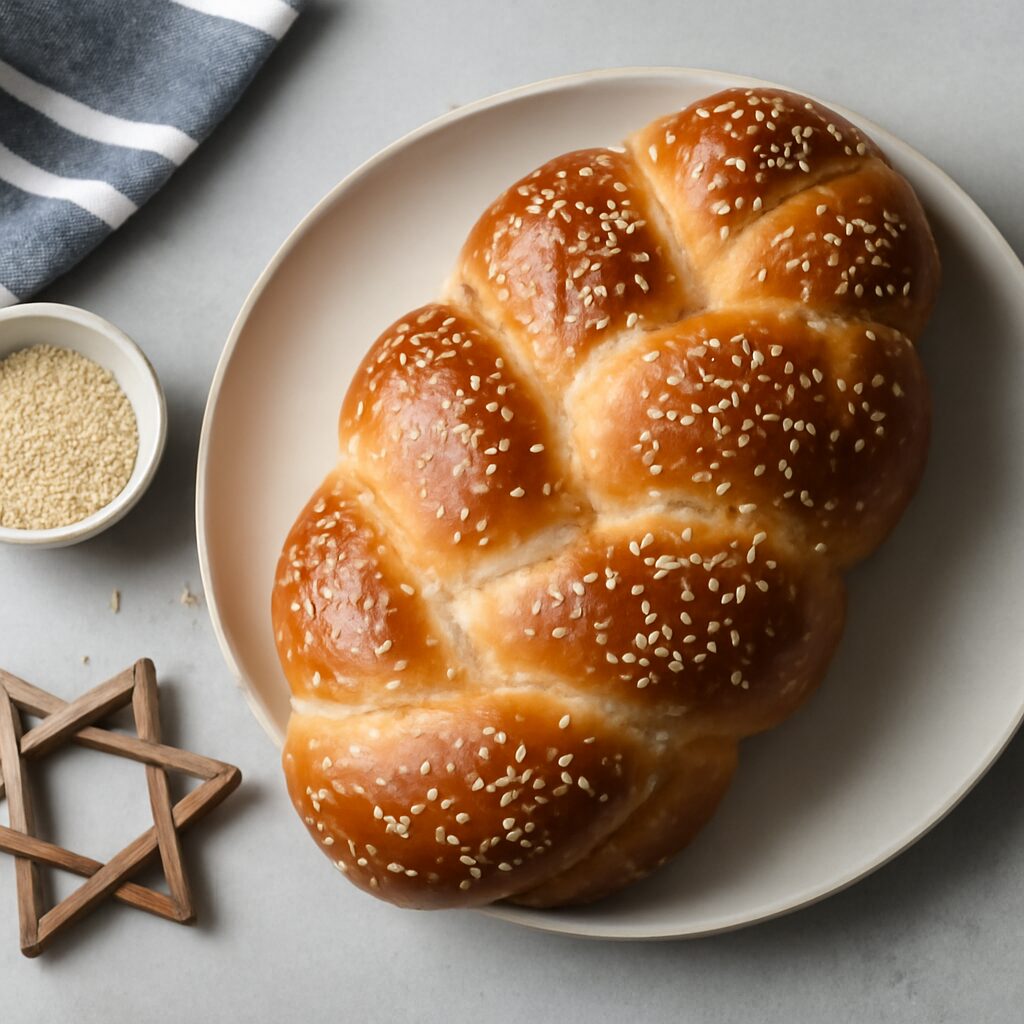
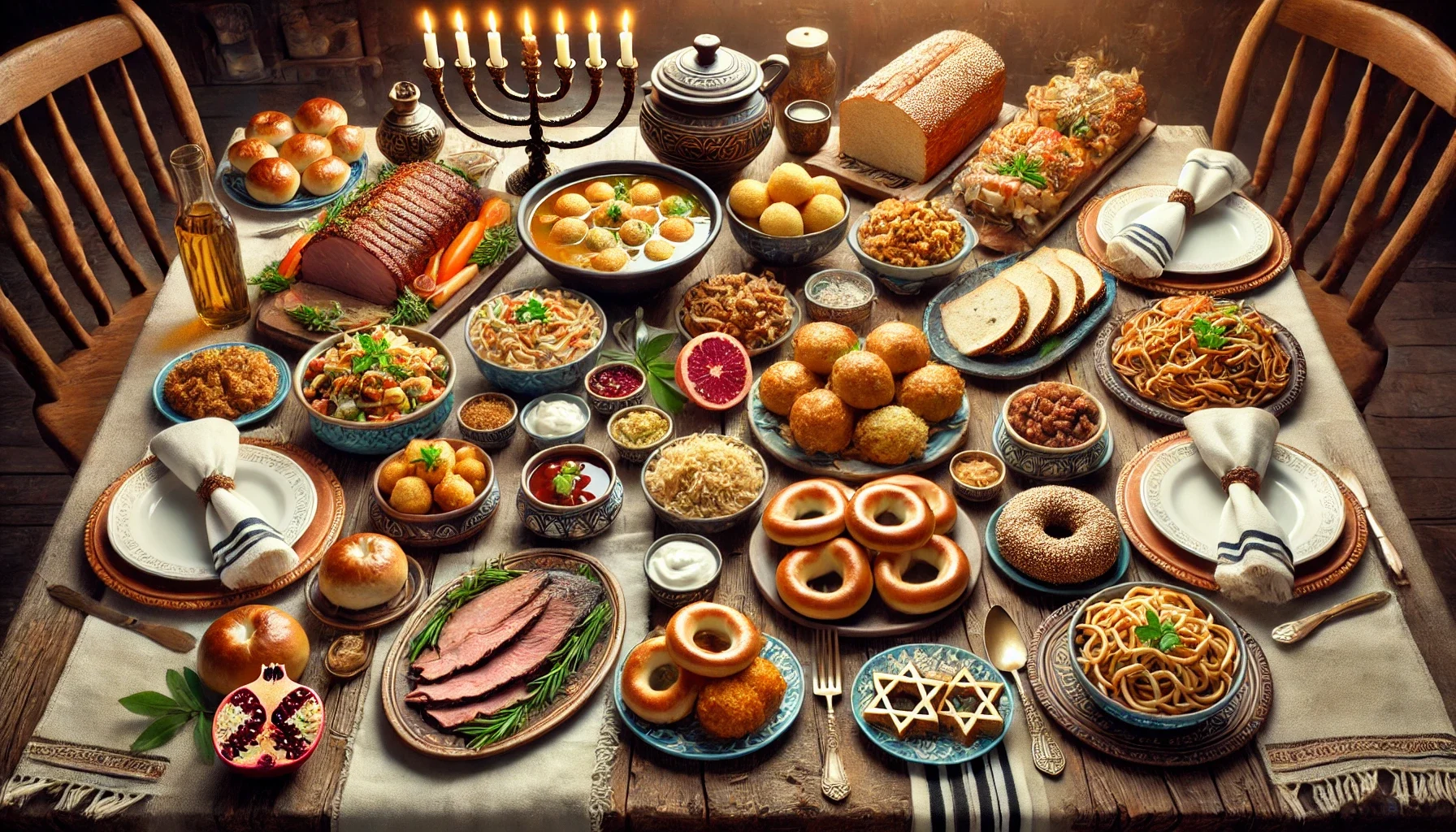
You know, if I had to pick just one Jewish food that truly feels like home, it would have to be matzo ball soup. It’s the ultimate comfort food, a warm hug in a bowl, and frankly, the star of any Jewish holiday table worth its salt.
There’s something deeply ingrained about matzo ball soup. It’s more than just chicken broth with dumplings; it’s tradition, memory, and a whole lot of love simmered to perfection. For many of us, that first spoonful transports us back to grandma’s kitchen, to bustling family gatherings, or simply to a feeling of being truly cared for. It’s that potent combination of simple ingredients transformed into something extraordinary.
A Taste of Nostalgia
Think about it. That fragrant steam rising from the bowl, carrying the aroma of dill and chicken. The way the matzo balls, whether light and fluffy or dense and chewy, absorb the rich broth. It’s a sensory experience that’s hard to replicate. Each slurp is a reminder of happy times, of shared meals, and of the enduring threads of culture that bind us.
More Than Just a Meal
It’s not just the taste, though. It’s the ritual. Preparing matzo ball soup can be a communal activity, a way to connect with family and pass down traditions. The anticipation of eating it, of seeing it served with pride, adds an extra layer of warmth. It’s a dish that says, “You are welcome here. You are loved.”
If you’re interested in exploring more about traditional Jewish cuisine, you might enjoy reading about Yerushalmi Kugel, a beloved dish that perfectly complements the themes of “My Favorite Jewish Food Is…”. This sweet and savory noodle pudding is a staple in many Jewish households and carries a rich history. To learn more about this delicious recipe, you can check out the article here: Yerushalmi Kugel Recipe.
The Anatomy of a Great Matzo Ball Soup
So, what makes a matzo ball soup truly sing? It’s a delicate balance of several key components, each playing a vital role in the final symphony of flavor and texture. Get one element slightly off, and the whole experience can feel a bit muted.
The Broth: The Soul of the Soup
This is where everything begins. A good chicken broth is the foundation, and it needs to be rich, flavorful, and golden. Think slow simmering, with plenty of chicken bones, aromatic vegetables like carrots, celery, and onions, and a good pinch of salt.
Simmering for Flavor
Don’t rush the broth. The longer it simmers, the deeper the flavor will become. This isn’t a race; it’s a labor of love. The goal is to extract every last bit of goodness from the ingredients.
Secret Ingredients (Shhh!)
While the basics are essential, a few little additions can elevate your broth. A bay leaf, a sprig of parsley, or even a few black peppercorns can add subtle layers of complexity. And for those who like a bit of a kick, a tiny hint of ginger can be a revelation.
The Matzo Balls: The Stars of the Show
Ah, the matzo balls. This is where the real debate often lies. Are you a floater (light and airy) or a sinker (dense and chewy)? Both have their champions, and both can be delicious. The key is using matzo meal, eggs, schmaltz (rendered chicken fat), and a little seltzer or water.
The Schmaltz Factor
Schmaltz is crucial. It’s what gives matzo balls that signature richness and helps them achieve a wonderful texture. If you’re not comfortable making your own, good quality store-bought schmaltz can work in a pinch. It’s worth the effort.
The Great Matzo Ball Debate: Float vs. Sink
This is a generational divide. My grandmother insisted on sinkers, saying they were more substantial and satisfying. My mother preferred floaters, praising their delicate texture. I’ve come to appreciate both, but there’s a certain comfort in a sinker that just melts in your mouth.
The Additions: Bringing it All Together
Beyond the broth and the matzo balls, what else goes into the bowl? Often, it’s simple additions that enhance the flavor and texture.
The Vegetables
Carrots and celery are standard, providing a touch of sweetness and a pleasant crunch. Some people add dill, which is a fantastic aromatic. Parsley is another common herb, adding a fresh finish.
The Chicken
Shredded chicken is often included, making the soup a more complete meal. Use parts of the chicken you used for the broth, or a rotisserie chicken for convenience.
My Personal Matzo Ball Journey

My relationship with matzo ball soup has evolved over the years. Growing up, it was a staple. During college, it was a reminder of home. Now, it’s a dish I love to make myself, adapting it to my own taste and sharing it with loved ones.
Early Memories and Grandma’s Kitchen
I vividly recall the aroma of my grandmother’s kitchen on Rosh Hashanah. The massive pot of chicken soup simmering on the stove, the excited chatter of family, and the pride with which she’d serve bowls of her famous matzo ball soup. Her matzo balls were decidedly sinkers, firm but tender, and they soaked up the broth like sponges. The soup was always packed with shredded chicken and chunks of carrots and celery that had softened beautifully in the long cooking process. The dill, always fresh, added a bright, herbaceous note that cut through the richness.
The “Learning Curve” Years
When I first ventured out on my own, I bravely attempted to recreate my grandmother’s masterpiece. Let’s just say there were some…learning opportunities. My first few batches of matzo balls were either as hard as rocks or dissolved into a starchy mess. The broth, while passable, lacked that depth of flavor I remembered. It was a humbling experience, but it also fueled my determination. I realized that there was an art to this, a subtle understanding of ratios and techniques that couldn’t be replicated by simply following a recipe blindly.
Finding My Own Style
Over time, through trial and error, and by gleaning bits of advice from various aunts and uncles, I started to develop my own approach. I discovered that I preferred slightly lighter matzo balls, the kind that have a bit of a bounce but still surrender to the bite. I found that using a good quality store-bought chicken bone broth as a base, and then enriching it with my own aromatics and shredded chicken, could significantly shorten the preparation time without sacrificing much flavor. I also learned the importance of not overmixing the matzo ball dough – just enough to bring it together. And I always, always use fresh dill.
Tips and Tricks for Matzo Ball Mastery

Whether you’re a seasoned pro or a beginner, there are always ways to up your matzo ball soup game. These are the little things that can make a big difference.
The Matzo Ball Mix: Not All Equal
The brand of matzo meal you use can impact your results. Some brands tend to produce lighter, fluffier balls, while others are geared towards a denser texture. Experiment with a few to see which you prefer.
The Seltzer vs. Water Decision
Seltzer water is often recommended for lighter matzo balls because the carbonation helps them puff up. However, some purists swear by still water, believing it leads to a more traditional, substantial texture. Personally, I find seltzer gives me a more consistent, lighter result, which is what I aim for.
The “Resting” Period
Don’t skip this! After you mix your matzo ball dough, let it rest in the refrigerator for at least 15-30 minutes. This allows the matzo meal to absorb the liquid fully and makes the dough easier to handle. It also contributes to a better texture.
Don’t Crowd the Pot
When you’re cooking the matzo balls, make sure they have plenty of room to expand. If you cram too many into the pot, they’ll stick together and won’t cook evenly. Cook them in batches if necessary.
In exploring the rich tapestry of Jewish cuisine, one cannot overlook the delightful flavors of Arayes, a dish that beautifully combines grilled meat and pita bread. For those interested in discovering how to prepare this mouthwatering meal, I recommend checking out this informative article on Arayes. It offers a step-by-step guide that highlights the traditional methods and ingredients, making it an excellent resource for both novice and experienced cooks alike.
The Cultural Significance of Matzo Ball Soup
| Food | Ingredients | Preparation |
|---|---|---|
| Matzo Ball Soup | Matzo meal, eggs, chicken broth, carrots, celery | Form matzo balls, boil in broth with vegetables |
| Challah Bread | Flour, yeast, eggs, sugar, salt | Knead, rise, braid, bake |
| Latkes | Potatoes, onions, eggs, flour | Grate potatoes and onions, mix with eggs and flour, fry |
Matzo ball soup isn’t just food; it’s a cultural touchstone. It’s a dish that carries history, identity, and a sense of belonging.
A Symbol of Resilience
For a people who have endured so much, the simple act of creating and sharing a nourishing meal like matzo ball soup can be an act of resilience. It’s a way of preserving identity and tradition in the face of adversity.
Beyond the Holiday Table
While it’s a holiday staple, matzo ball soup is also perfect for any occasion that calls for comfort. Feeling under the weather? Had a bad day? Matzo ball soup is there for you. It’s the ultimate pick-me-up food.
A Universal Comfort
Even for those who aren’t Jewish, the appeal of a good chicken soup with dumplings is undeniable. It’s a dish that crosses cultural boundaries, speaking a universal language of warmth and nourishment.
Final Thoughts: It’s More Than Just Soup
In the end, my favorite Jewish food is matzo ball soup because it’s a complete experience. It’s the taste, the aroma, the memories, and the feeling of connection it evokes. It’s a dish that embodies generations of love, tradition, and simple, delicious sustenance. It’s the taste of home, no matter where you are.